
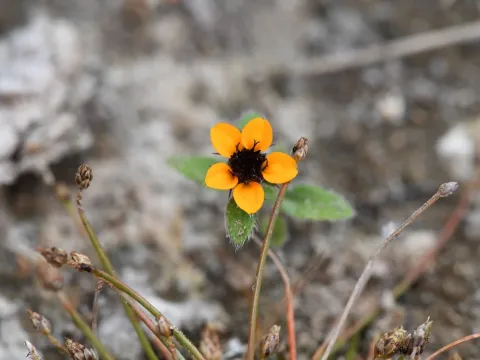
Sanvitalia
Sanvitalia Lam.
Sanvitalia (Sanvitalia Lam.) is a genus of annual and perennial flowering plants belonging to the Asteraceae family. Often referred to as creeping zinnia, it is highly valued in horticulture.
What the section contains

Sanvitalia
Sowing for seedlings should start in late March or early April in a greenhouse or indoors. Seeds require warmth and sufficient light to germinate effectively within two weeks.
Transplanting to the garden should occur only after the danger of frost has passed. Sanvitalia thrives when the soil has warmed up significantly, typically by late May.
Direct sowing into the soil is possible in warm climates. Seeds should be sown in rows or patterns, keeping a shallow depth of a few millimeters to ensure proper light exposure.
Proper spacing of 20-25 centimeters between plants is essential. This distance allows for optimal spread and ensures each plant receives enough nutrients and air circulation.
Sanvitalia is a sun-loving plant that requires full exposure to sunlight for at least 6-8 hours daily. Shaded conditions lead to weak stems and poor flower production.
The plant prefers light, well-draining soil with a neutral pH. It adapts well to various soil types, provided that water does not accumulate around the root system.
Moderate watering is crucial. While the plant shows good resistance to temporary drought, consistent moisture during the blooming season ensures a more vibrant appearance.
Fertilizing with a balanced liquid fertilizer every few weeks promotes continuous blooming. Excessive nitrogen should be avoided to prevent over-foliation at the expense of flowers.
The cultural practice of pinching back the growing tips can encourage bushier, more compact growth. This helps the plant create a dense, colorful carpet effect in landscapes.
The main disease risk involves root rot, usually caused by over-watering or poor soil drainage. Ensuring a proper planting site is the best preventative measure against this issue.
Aphids can be a problem during dry weather. Monitoring the underside of leaves for these pests and using organic insecticidal soap is recommended for control.
Powdery mildew may occur if air circulation is restricted. Pruning back dense areas and avoiding overhead irrigation can significantly reduce the incidence of fungal growth.
Spider mites are common in hot and dry climates. Maintaining adequate humidity and using specialized acaricides if necessary will protect the plant's health and vigor.
General hygiene in the garden, such as removing debris and dead foliage, helps to minimize the pressure from pests and diseases throughout the growing season.