
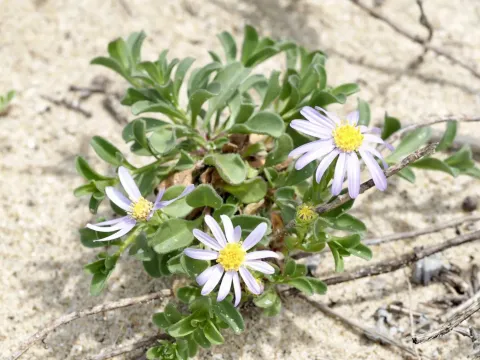
Sand Aster
Aster arenarius
Sowing of Sand Aster is typically performed in spring once the soil temperature reaches a consistent 10–12°C, which facilitates efficient germination of the seeds.
What the section contains
Sand Aster
Late autumn sowing is also a viable option in late October, allowing seeds to undergo natural stratification, which results in more vigorous growth during the subsequent spring season.
Choosing a site with full sunlight is essential for successful establishment, as the plant is heliophilic and requires significant light exposure during its initial growth phase.
Seeds should be sown at a shallow depth of 1–2 centimeters, ensuring they are lightly covered with loose, porous soil to prevent dehydration and aid early root development.
If utilizing a seedling propagation method, seeds should be sown in late March, with subsequent transplanting occurring once the seedlings have developed two sets of true leaves.
Sand Aster (Aster arenarius) is a member of the Asteraceae family, well-adapted to surviving in nutrient-poor and sandy soil environments where other plants might struggle.
The plant thrives in well-drained, light soils with a neutral to slightly alkaline pH, which prevents root rot and ensures the plant remains healthy throughout the wet season.
While the species is highly drought-tolerant, supplemental irrigation during the bud formation stage is recommended to maximize the density and duration of the bloom.
Temperatures ranging from 18 to 25°C are optimal for vegetative growth, and the plant exhibits excellent winter hardiness, surviving cold climates without the need for additional protection.
Good air circulation around the plants is critical for disease prevention, requiring appropriate plant spacing to prevent the humidity buildup that can lead to fungal issues.
Fusarium wilt represents the most significant pathological threat to this crop, particularly in poorly drained soil types where moisture remains stagnant for long periods.
Powdery mildew may manifest as a white film on the leaves during periods of high humidity and fluctuating temperatures, requiring immediate intervention with specialized fungicides.
Common pests include aphids and spider mites, which feed on the sap of tender leaves and buds, potentially causing severe deformation and weakening of the plant structure.
An integrated pest management approach, including the use of systemic insecticides and manual removal of heavily infested parts, is recommended to maintain crop health.
Regular sanitation, such as removing plant debris and rotating crops to different locations, helps minimize the accumulation of soil-borne pathogens and insect populations.