
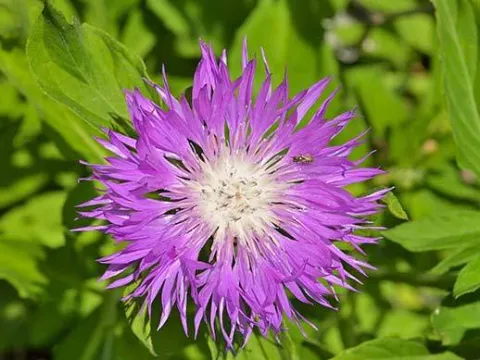
Rhaponticum carthamoides
Rhaponticum
Rhaponticum carthamoides is typically propagated by seeds, which should be sown in late autumn to ensure natural winter stratification, or in early spring after proper pre-chilling. Sowing depth is generally between 2 and 3 centimeters.
What the section contains
 Helen-leaf rhaponticum
Rhaponticum heleniifolium
Helen-leaf rhaponticum
Rhaponticum heleniifolium
 Maral root
Rhaponticum carthamoides
Maral root
Rhaponticum carthamoides
 Rhaponticum australe
Rhaponticum australe
Rhaponticum australe
 Rhaponticum coniferum
Rhaponticum coniferum
Rhaponticum coniferum
 Rhaponticum longifolium
Rhaponticum longifolium
Rhaponticum longifolium
 Rhaponticum serrulatoides
Rhaponticum serrulatoides
Rhaponticum serrulatoides
 Rhaponticum uniflorum
Rhaponticum uniflorum
Rhaponticum uniflorum
Rhaponticum carthamoides
For large-scale cultivation, rows should be spaced at 45 to 60 centimeters. This row spacing allows for effective mechanical weeding and soil aeration, which are vital for the healthy development of the root system.
The seeding rate is approximately 8 to 12 kilograms per hectare. Ensuring good soil-to-seed contact via light rolling after planting significantly improves germination rates and emergence uniformity.
As the plant grows slowly during its first year, maintaining a weed-free environment is critical for the establishment of the seedlings. It forms a compact rosette of leaves before developing more robust growth in subsequent seasons.
The plantation can remain productive for up to 10 years, so site preparation and long-term crop rotation planning are essential for the commercial success of the operation.
Maral root belongs to the Asteraceae family and is highly adapted to temperate climates. It demonstrates remarkable winter hardiness and can thrive in cool, mountainous, or high-latitude regions with sufficient moisture.
The crop prefers fertile, well-structured loam or chernozem soils with a neutral or slightly acidic pH. Proper drainage is absolutely necessary, as the plant cannot tolerate waterlogging or high groundwater levels.
Although it is a hardy perennial, the plant benefits from consistent moisture, especially during the spring vegetative growth phase. However, it is also capable of tolerating temporary dry spells once the root system is well-established.
Exposure to full sunlight is beneficial for the synthesis of active ingredients in the roots, although the plant can tolerate partial shade. Sunlight management is a key factor in improving the final quality of the herbal raw material.
Regular maintenance including inter-row loosening and controlled mineral fertilization, particularly with phosphorus and potassium, supports vigorous growth and high yield potentials.
Harvesting the roots for industrial use usually begins in the third or fourth year of growth. At this stage, the plant has successfully accumulated high concentrations of phytoecdysteroids and other active compounds.
Average yields for dried root material range between 1.5 and 2.5 tons per hectare. Variations in yield depend heavily on the age of the stand, soil quality, and the effectiveness of moisture management practices.
The green biomass is also harvested periodically and used in the pharmacological and animal feed industries. The frequency of biomass harvesting should be balanced to ensure the roots remain the primary focus of production.
To maintain high productivity, it is recommended to rotate the plantation areas after 7 to 10 years. This practice helps to reduce soil fatigue and maintain the high quality of the raw material.
Proper nutrient management, including the use of organic compost or specific mineral supplements, allows farmers to reach the upper thresholds of potential yield for this valuable medicinal species.
Rhaponticum carthamoides is generally robust, but it can be susceptible to root rot if the soil is excessively wet. Choosing well-drained sites is the most effective way to prevent these fungal issues.
Pests like wireworms can occasionally affect the younger roots, especially in soils that were previously occupied by grasslands. Proper site selection and crop rotation help mitigate these biological threats.
Mildew may appear under conditions of poor air circulation and excessive humidity. Regular inter-row cultivation helps ensure adequate airflow, which is a key preventive measure against foliage diseases.
Weed control is the most demanding aspect of the first year of cultivation. Once the plants form a full canopy, they generally outcompete most weeds, but initial manual or mechanical interventions are necessary.
The plant's natural resistance to most agricultural pests reduces the need for heavy pesticide usage, making it an excellent candidate for sustainable and organic agricultural practices.
Harvesting is performed in the autumn months after the aerial parts of the plant begin to senesce. Using specialized root-lifting machinery allows for efficient extraction without damaging the valuable root structures.
Immediately after harvest, roots must be washed in clean, cold running water to remove soil and organic debris. This initial cleaning step is vital for meeting quality standards for medicinal raw material.
The roots are sliced into uniform pieces and dried at temperatures between 50 and 60 degrees Celsius. Overheating must be avoided to preserve the complex chemical profile of the plant.
Once dry, the raw material should be sorted, removing any foreign matter. Properly prepared and dried roots can be stored for several years in cool, dry, and dark conditions without losing potency.
Quality control during drying is essential to prevent mold growth and ensure the final product meets the requirements of the pharmaceutical and nutraceutical markets.