
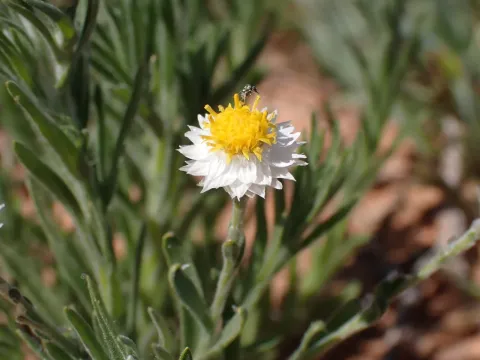
Rhodanthe
Rhodanthe Lindl.
Rhodanthe seeds are typically sown directly into the garden beds once the soil has warmed up and the risk of frost has passed, usually in mid-to-late spring. The seeds require warmth and light to germinate successfully.
What the section contains
 Pink paper daisy
Rhodanthe chlorocephala (Turcz.) Paul G. Wilson subsp. rosea (Hook.) Paul G. Wilson
Pink paper daisy
Rhodanthe chlorocephala (Turcz.) Paul G. Wilson subsp. rosea (Hook.) Paul G. Wilson
 Rhodanthe anthemoides
Rhodanthe chlorocephala
Rhodanthe chlorocephala (Turcz.) Paul G. Wilson
Rhodanthe anthemoides
Rhodanthe anthemoides
Rhodanthe chlorocephala
Rhodanthe chlorocephala (Turcz.) Paul G. Wilson
 Rhodanthe humboldtiana
 (Gaudich.) Paul G. Wilson
Rhodanthe humboldtiana
Rhodanthe humboldtiana (Gaudich.) Paul G. Wilson
 Rhodanthe manglesii
 Lindl.
Rhodanthe manglesii
Rhodanthe manglesii Lindl.
Rhodanthe
For those living in regions with shorter growing seasons, starting seeds indoors is an option. However, Rhodanthe has a fragile taproot system that makes it highly sensitive to transplanting, so it is crucial to use peat pots or cell trays.
When sowing, cover the seeds with only a very thin layer of fine soil or vermiculite, as they need exposure to light to sprout. Keep the growing medium consistently moist but not waterlogged until germination occurs.
Seedlings should be thinned or transplanted to their final location when they have reached a manageable size. Great care must be taken to keep the root ball intact during the process to avoid transplant shock.
A sunny, sheltered spot is essential for the young plants to establish themselves quickly. Ensuring proper spacing during planting helps prevent overcrowding, which is a major contributor to later-stage plant health issues.
Rhodanthe is a charming annual plant belonging to the Asteraceae family, native to the arid regions of Australia. This evolutionary history makes it highly adaptable to heat and low-moisture environments.
The plant thrives in full sun, requiring at least six to eight hours of direct sunlight daily to produce high-quality blooms. Insufficient light will result in weak, leggy stems and poor flower production.
Soil requirements focus on excellent drainage; sandy or gritty soil types are preferred. Rhodanthe will not survive in heavy, waterlogged clay, as the roots are prone to rotting under such conditions.
Irrigation should be kept to a minimum; it is best to allow the soil to dry out between waterings. Drought stress is generally less harmful to this plant than overwatering, especially once it is established.
While the plant does not require heavy fertilization, a light application of a balanced, low-nitrogen fertilizer at the start of the season can support initial growth without sacrificing flower quality for foliage growth.
The primary threat to Rhodanthe is root rot, which typically develops in overly wet or poorly drained soils. This condition is often fatal and can be identified by the sudden wilting of an otherwise green plant.
Powdery mildew can become a concern if the plants are spaced too closely, reducing airflow and creating high-humidity microclimates around the foliage. This appears as a dusty white coating on the leaves.
Aphids are the most common insect pests, feeding on the tender buds and young stems. In hot, dry climates, spider mites may also appear, causing stippling or webbing on the lower surfaces of the leaves.
To manage these issues, maintain good spacing to encourage air circulation and apply appropriate fungicides or insecticidal soaps if an infestation occurs. Always remove debris from around the plants.
Proactive monitoring is key. Catching pest or disease outbreaks early allows for targeted treatments, which are much more effective and safer for the overall health of the flower bed than widespread chemical use.
Rhodanthe is highly prized as an everlasting flower. To harvest, cut the stems when the buds are still semi-closed, as they will continue to open slightly during the drying process, ensuring a clean appearance.
Harvesting should be done in the morning once the dew has fully evaporated. Using sharp, clean shears ensures minimal stress to the parent plant and provides a clean cut for the harvested stems.
After cutting, gather the stems into small, loose bundles and hang them upside down in a dark, dry, and well-ventilated location. Keeping them out of direct sunlight is crucial to maintaining their natural colors.
Proper drying time usually spans one to two weeks, depending on the ambient humidity levels. Once dry, the flower heads should be firm to the touch and the stems should be brittle but strong.
Dried Rhodanthe flowers can be used in a wide variety of crafts, including wreaths, dried flower arrangements, and wedding bouquets. They hold their shape and color remarkably well for several months if kept away from humidity.