
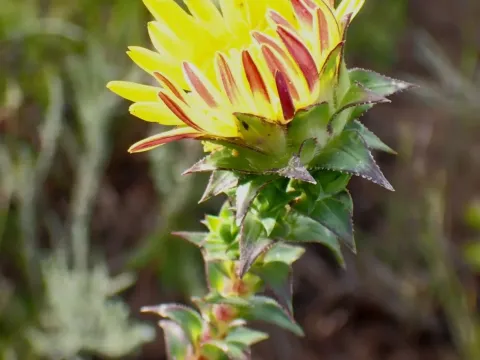
Relhania
Relhania
Relhania is a genus of evergreen shrubs and subshrubs belonging to the Asteraceae family. These plants are known for their compact, shrubby habit and are indigenous to the Cape Floristic Region of South Africa, exhibiting high adaptation to Mediterranean climates.
What the section contains

Relhania
The cultivation of Relhania requires specific environmental parameters, primarily focusing on full sun exposure. The plants thrive in open environments where solar intensity is high, which is necessary to maintain their dense structure and stimulate flower production.
Soil requirements are strict regarding drainage. Relhania cannot tolerate waterlogged conditions, which frequently cause root rot. A well-draining, gritty, or sandy soil mixture with a neutral to slightly acidic pH level is optimal for healthy root development.
Temperature management is critical, as the species is typically frost-sensitive. While some varieties show moderate hardiness, most require protection against temperatures dropping near freezing, making them suitable for greenhouse or container gardening in colder climates.
Watering practices should be conservative. During the active growth phase, moisture should be provided only when the top layer of the substrate is dry. Drought periods in their native habitat have led to an evolutionary preference for periods of dry soil.
Fungal pathogens represent the most significant threat to Relhania, especially in greenhouse settings with poor airflow. Phytophthora and various mildews are the primary diseases that can quickly degrade the health of the foliage and stems.
Pests such as spider mites and mealybugs are common adversaries. These insects thrive in dry, warm environments and can cause severe damage if left unmanaged, leading to stunted growth and reduced ornamental value.
Cultural control is the most effective approach for disease prevention. Maintaining a low humidity level around the plant canopy and ensuring adequate spacing between individual shrubs drastically reduces the risk of fungal outbreaks.
Chemical control should be approached with caution, using targeted treatments only after confirmed diagnosis. It is essential to test any pesticide on a small portion of the plant to check for phytotoxicity before a full-scale application.
Regular maintenance, including the removal of dead leaves and pruning of congested inner branches, facilitates better light penetration and air circulation. This hygiene practice is vital for long-term survival and vigor of the plants.