
Rhodanthemum
Rhodanthemum (Vogt) B. H. Wilcox et al.
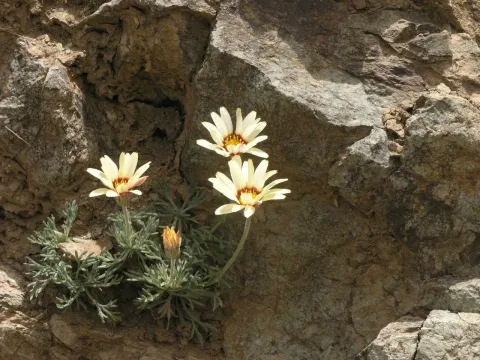
Rhodanthemum (Rhodanthemum) is a genus of perennial herbs and subshrubs belonging to the Asteraceae family. Native to the mountainous regions of North Africa, particularly Morocco, these plants have evolved to thrive in high-altitude, rocky, and well-drained environments.
What the section contains
 Rhodanthemum catananche
Rhodanthemum catananche
Rhodanthemum catananche
 Rhodanthemum gayanum
 (Coss. & Durieu) B. H. Wilcox et al.
Rhodanthemum gayanum
Rhodanthemum gayanum (Coss. & Durieu) B. H. Wilcox et al.
 Rhodanthemum hosmariense
 (Ball) B. H. Wilcox et al.
Rhodanthemum hybrid
Rhodanthemum catananche x Rhodanthemum gayanum (Coss. & Durieu) B. H. Wilcox et al.
Rhodanthemum hosmariense
Rhodanthemum hosmariense (Ball) B. H. Wilcox et al.
Rhodanthemum hybrid
Rhodanthemum catananche x Rhodanthemum gayanum (Coss. & Durieu) B. H. Wilcox et al.
Rhodanthemum
The plant is highly valued for its finely divided, silvery-grey foliage, which provides a striking contrast to its white or pink daisy-like flowers. Its growth habit is typically clump-forming or spreading, making it an excellent choice for rock gardens and borders.
Full sun exposure is a non-negotiable requirement for Rhodanthemum. The plants need at least six to eight hours of direct sunlight daily to maintain their compact habit and ensure prolific blooming throughout the spring and summer months.
Soil drainage is the most critical factor in the successful cultivation of this species. In their natural habitat, they grow in gritty, nutrient-poor, but free-draining soils. Gardeners must ensure that the planting site has excellent drainage, adding gravel or horticultural grit if necessary.
These plants are naturally drought-tolerant once established. While they do require occasional watering during prolonged dry spells to maintain their vigor, they detest "wet feet" and may suffer from root decay if the substrate remains saturated for an extended period.
Root rot and crown rot are the primary health threats to Rhodanthemum, usually caused by overwatering or poor soil drainage. Ensuring that the crown of the plant is kept dry, especially in winter, is essential for its long-term survival in cooler climates.
Aphids are the most common insect pests, often clustering on the flower stalks and young, tender leaves. Regular monitoring and the application of insecticidal soap or neem oil are usually sufficient to manage minor infestations effectively.
Slugs and snails can cause significant damage to the foliage, especially during damp or rainy periods. Placing a perimeter of sharp grit or using organic slug baits can help protect the plants from these mollusks without damaging the environment.
Powdery mildew may develop if the plant is subjected to high humidity and poor air circulation. To mitigate this risk, it is important to provide sufficient spacing between plants and avoid overhead watering that keeps the foliage consistently wet.
Good horticultural practice includes regular deadheading of spent flowers to encourage further blooming and removing any debris from around the plant base to prevent the accumulation of moisture and fungal spores.