
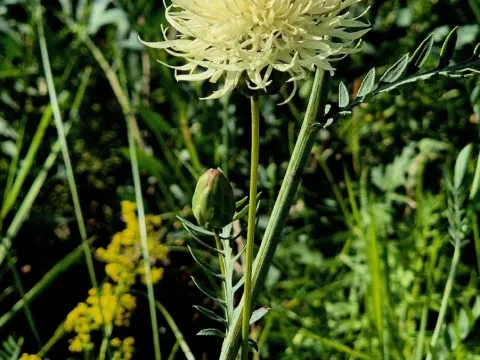
Rhaponticoides
Rhaponticoides
Rhaponticoides is a genus of perennial herbaceous plants belonging to the Asteraceae family. Historically, many species within this genus were classified under the Centaurea genus, explaining their visual similarities and related botanical characteristics.
What the section contains


Rhaponticoides
The crop is highly valued for its light-loving nature and drought tolerance, making it an excellent candidate for regions with limited rainfall. Its deep taproot system allows it to access water resources that are often unavailable to shallower-rooted plants.
The ideal cultivation environment for Rhaponticoides consists of well-drained, fertile loamy or sandy soils with a neutral pH level. Proper drainage is critical, as these plants are highly susceptible to root rot in waterlogged conditions.
Botanically, the plant is characterized by a basal rosette of leaves and sturdy, erect stems that produce flower heads. These inflorescences are known for being rich in nectar, serving as an important source of food for various pollinating insect species.
Economically, Rhaponticoides is utilized primarily for its nectar production and its potential as a supplementary forage crop. Its ability to stabilize soil and survive in poor site conditions makes it useful for environmental restoration projects.
The most common pathological threats to Rhaponticoides include fungal diseases such as powdery mildew and various rust fungi, especially in areas with high humidity and limited air circulation among the plants.
Root system health is paramount; therefore, avoiding soil compaction and ensuring adequate water runoff is necessary to prevent the onset of various soil-borne pathogens and root rot.
Pest management should focus on controlling aphids and various caterpillar species, which can cause significant damage to the foliage and developing flower buds during the peak growing season.
Weed control is essential during the early stages of plant development, as Rhaponticoides seedlings are relatively slow to establish and can easily be outcompeted by aggressive invasive weeds.
Regular field scouting and adherence to proper crop rotation schedules are the best defensive measures against common pests and diseases affecting this perennial Asteraceae species.