
Rhaponticum australe
Rhaponticum australe
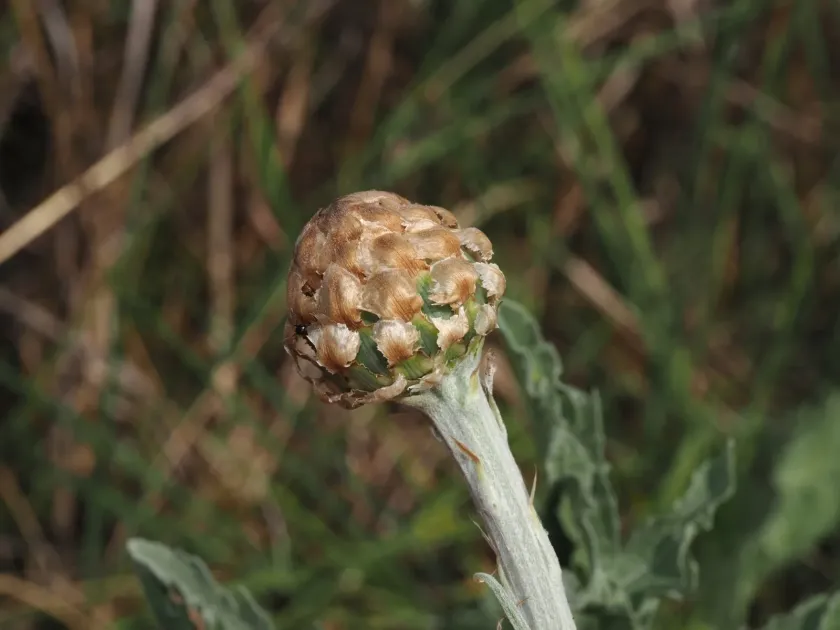
Description
Sowing dates
Rhaponticum australe is a perennial herbaceous plant belonging to the Asteraceae family, valued for its medicinal properties and adaptability to temperate climates.
Sowing should take place in early spring, as soon as the soil reaches a temperature of 5-8 degrees Celsius, or alternatively, in late autumn for stratification.
Seeds should be planted at a shallow depth of 1-2 centimeters. To ensure uniform emergence, it is critical to maintain consistent soil moisture levels during the germination phase.
Recommended row spacing is 45-60 centimeters to facilitate mechanical weeding and ensure that plants have enough space to develop their extensive root systems.
Establishment in the first year is typically slow, as the plant prioritizes building a robust basal rosette of leaves before investing energy into rapid stem elongation.
Growing requirements
This species thrives in open, sunny locations with well-drained, fertile soil that ranges from sandy loam to medium clay with a neutral pH level.
While the plant is quite winter-hardy, it is highly sensitive to waterlogging, which can cause crown rot and negatively impact plant vigor throughout the dormant season.
Optimal growth occurs at temperatures between 18 and 24 degrees Celsius. It possesses a deep taproot that allows it to survive periods of moderate moisture deficit.
Applying phosphorus and potassium fertilizers during autumn promotes root development and hardens the plant tissue for better tolerance against harsh winter conditions.
Regular cultivation of the inter-rows helps manage weed competition and improves soil aeration, which is vital for the health of the subterranean plant structures.
Yield
The primary economic output consists of roots and rhizomes harvested for pharmaceutical use, alongside occasional harvest of aerial parts during the flowering stage.
Commercial yields typically reach their peak by the third or fourth year of growth, as the active compounds accumulate gradually within the root biomass over time.
Harvesting is best scheduled for late autumn or early spring, periods when the concentration of secondary metabolites in the root system is at its seasonal maximum.
Proper post-harvest processing, including thorough washing and controlled drying at temperatures below 50 degrees Celsius, is essential for maintaining product quality.
Well-maintained plantations can remain productive for several years, providing a consistent source of raw material for the health and wellness industry.
Main diseases and pests
Root rot is the most significant pathological threat, particularly in poorly drained fields where moisture accumulates around the root crown during the dormant season.
Powdery mildew can affect the foliage during periods of high humidity and poor air circulation, necessitating thinning or preventive measures to manage leaf canopy density.
Aphids and other leaf-feeding insects may target tender foliage in spring, which requires scouting and prompt intervention to prevent stunted growth.
Weed management is critical during the establishment phase, as the young seedlings are weak competitors against more vigorous invasive grass and broadleaf species.
Strategic crop rotation and the removal of infected debris are fundamental practices to prevent the buildup of soil-borne pathogens and ensure long-term crop viability.