
Rhaponticum serrulatoides
Rhaponticum serrulatoides
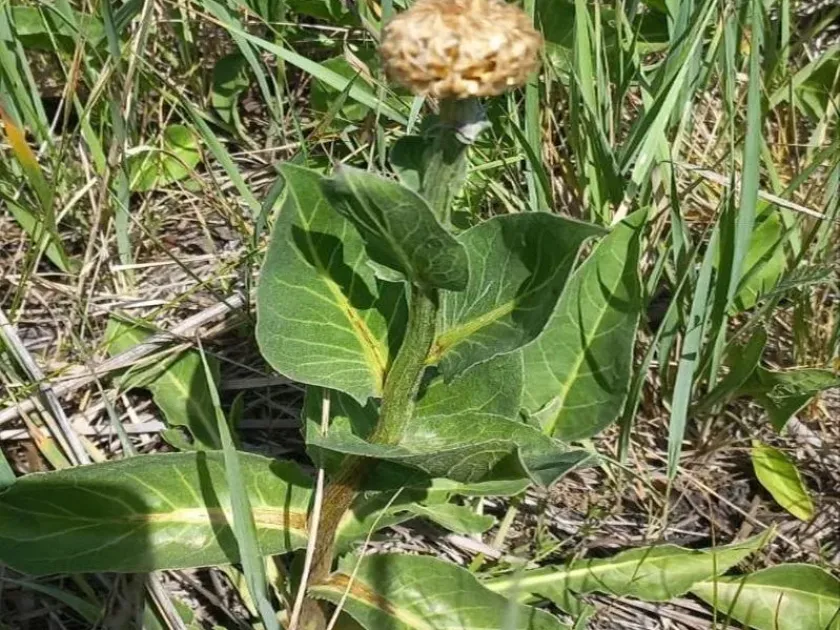
Description
Sowing dates
Sowing of Rhaponticum serrulatoides is best performed in early spring as soon as the soil reaches temperatures of 5–8 degrees Celsius. Autumn sowing is also an option, facilitating natural seed stratification during the winter months.
The seeds require high-quality soil preparation, including loosening and leveling. The optimal sowing depth is 2–3 centimeters, depending on the physical structure of the soil profile.
The seeding pattern should account for the plant's long-term growth, with recommended row spacing of 45–60 centimeters to allow for efficient field maintenance and weed control.
When using seedlings, seeds are sown in greenhouses during March, followed by transplantation into the open field once the risk of frost has passed.
Post-sowing soil compaction is an essential agricultural step to ensure proper moisture retention and uniform seed germination across the entire field.
Growing requirements
Rhaponticum serrulatoides is a perennial herbaceous plant from the Asteraceae family. It thrives in well-drained, fertile loamy or sandy soils with a neutral pH balance.
This species is highly photophilous and requires full sun exposure for industrial production to ensure the maximum accumulation of bioactive compounds in the roots.
The plant exhibits excellent frost resistance, making it suitable for cultivation in colder climates, though it is highly sensitive to waterlogging and soil moisture stagnation.
Effective management includes regular mechanical cultivation of row spacings and strict weed control during the first two years of the plant's development.
Strategic fertilization, particularly with potassium and phosphorus, significantly improves root mass development and overall crop productivity during the harvest year.
Yield
The peak yield of Rhaponticum serrulatoides is typically achieved in the third or fourth year of growth, as the root system reaches its full mature potential.
Under favorable conditions, a yield of 1.5 to 2 metric tons of dried raw material per hectare can be achieved, making it a viable crop for specialized producers.
Maintaining a plant density of 40,000 to 50,000 plants per hectare is ideal for balancing individual plant health with high-volume biomass production.
Modern irrigation techniques, such as drip systems, can be employed to enhance yield stability and increase product quality in regions with low seasonal rainfall.
After the final harvest, the site requires intensive soil tillage to clear old roots before rotating to other crops, ensuring sustainable land management practices.
Main diseases and pests
The primary threats to this culture are fungal diseases, such as root rot and powdery mildew, which flourish in environments with excessive humidity and poor drainage.
Soil pests like wireworms can cause significant damage to the root collar during the early stages of development, potentially leading to crop thinning.
Preventative strategies involve adhering to strict crop rotation intervals and avoiding fields that have recently hosted related Asteraceae species susceptible to similar pathogens.
Integrated Pest Management (IPM) should be prioritized, utilizing biological control methods alongside necessary chemical interventions to protect the crop without over-relying on synthetic inputs.
Regular field scouting is essential to identify the early signs of infection or pest outbreaks, allowing for immediate localized action before the issues spread.
Harvesting
Harvesting is conducted during the autumn period when the above-ground biomass begins to senesce, signaling the migration of energy reserves into the roots.
Specialized harvesting equipment is used to extract the root systems from the soil, followed by thorough cleaning and washing to remove debris before processing.
Drying must occur immediately after harvesting at temperatures between 40–50 degrees Celsius to prevent degradation and maintain the integrity of the medicinal components.
Finished raw materials are stored in dry, well-ventilated conditions in breathable packaging to protect the product from humidity and secondary pests.
Adherence to strict post-harvest protocols is crucial to meeting the quality standards required by pharmaceutical processors and other industrial end-users.