
Rhaponticum longifolium
Rhaponticum longifolium
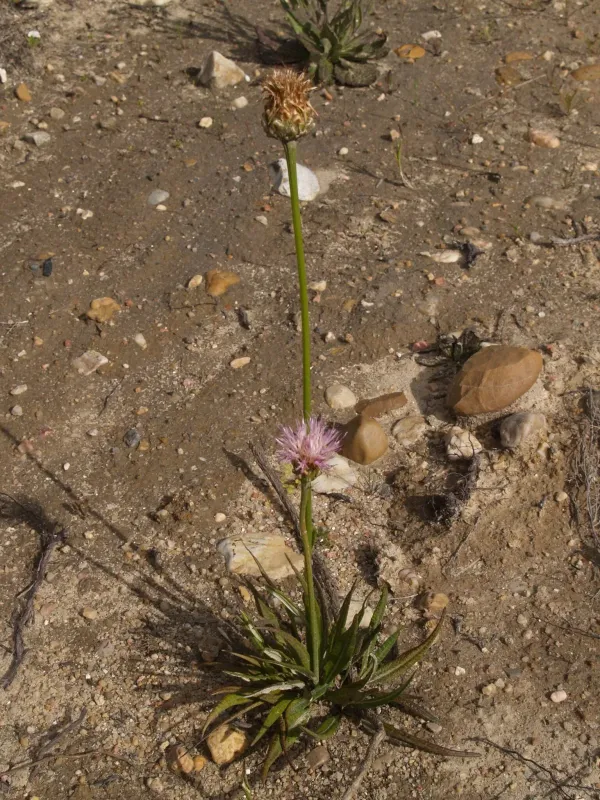
Description
Sowing dates
Rhaponticum longifolium is primarily propagated via seeds, which require specific conditions for germination. Sowing is typically carried out in early spring or late autumn to allow for natural stratification.
The seeds should be planted at a shallow depth of 1–2 cm, as deeper placement significantly reduces the emergence rate due to the energy requirements of the seedlings.
Row spacing is maintained between 45 and 60 cm to ensure the plants have enough space to establish their root systems during the initial slow-growing phase of the first year.
To improve establishment, farmers often use seed priming or germination stimulants before sowing to ensure a more uniform and dense seedling population across the field.
Effective weed control is critical during the first year of growth, as the young seedlings are prone to competition and can easily be suppressed by faster-growing weed species.
Growing requirements
Belonging to the Asteraceae family, this species is highly adaptable to various environmental conditions, typically thriving in sunny locations with well-drained loamy soils.
It is exceptionally winter-hardy, capable of surviving harsh freezing temperatures, which makes it an ideal candidate for cultivation in northern and mountainous regions.
The plant prefers neutral or slightly acidic soil pH. Poor drainage or waterlogged conditions are detrimental, as they lead to root rot and decrease the overall plant vitality.
While the plant is quite drought-tolerant once established, supplemental irrigation during the peak growth phases of the second and third years maximizes biomass production.
It requires consistent solar exposure for optimal development; shady or overcrowded environments tend to result in spindly growth and lower levels of secondary metabolites.
Yield
The economic value of this crop is concentrated in its rhizomes, which are harvested for their adaptogenic properties and content of bioactive compounds.
Commercial yields are usually optimized by harvesting the roots in the third or fourth year, which allows for the peak accumulation of active phytochemicals.
Average yield expectations for dried root material range from 1 to 1.5 tons per hectare depending on the soil fertility and the efficacy of agricultural management practices.
Beyond the roots, the aerial foliage can be utilized as a nutritious forage additive, which is particularly beneficial for livestock feed formulations during the winter months.
Strategic nitrogen and potassium fertilization during the growing season significantly influences both the biomass yield and the concentration of active ingredients in the roots.
Main diseases and pests
Fungal pathogens, particularly root rot, pose the most significant risk to the health of Rhaponticum longifolium plantations, especially in areas with high soil moisture.
Pest pressures are generally low; however, subterranean insects such as wireworms can damage root systems, providing entry points for secondary bacterial infections.
Powdery mildew can affect the leaves during hot and humid summers, requiring integrated pest management strategies to maintain plant vigor without excessive chemical use.
Maintaining proper crop rotation cycles is the most effective method to mitigate the buildup of soil-borne pathogens and ensure long-term plantation health.
Regular scouting is recommended to identify early signs of infestation, particularly in the spring when young shoots are emerging and are most vulnerable to local pests.
Harvesting
Harvesting takes place at the end of the growing season when the foliage turns yellow and dies back, indicating that the plant has redirected nutrients to the root system.
The rhizomes are mechanically lifted from the soil, cleaned of dirt, and washed thoroughly to remove all residues before further processing occurs.
Post-harvest management involves cutting the roots into smaller segments and drying them in climate-controlled dryers at temperatures below 50 degrees Celsius.
Proper drying is essential to prevent moisture-related mold growth and to preserve the delicate chemical composition of the medicinal material for storage.
Once dried to the appropriate moisture content, the final product is packed and stored in cool, dry conditions to ensure long shelf life and quality retention.