
Rhaponticum coniferum
Rhaponticum coniferum
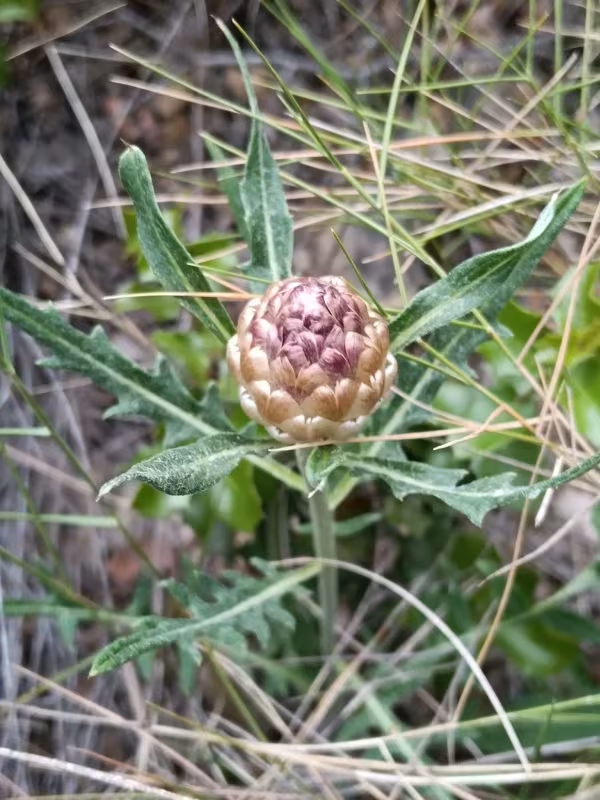
Description
Sowing dates
Rhaponticum coniferum is a herbaceous perennial belonging to the Asteraceae family. The plant is typically propagated by seeds, which require stratification to break dormancy and ensure uniform germination across the field.
Sowing should be performed in late autumn or early spring. If seeds are sown in the spring, it is highly recommended to cold-stratify them for at least 4 to 6 weeks at temperatures between 2 and 5 degrees Celsius before placement in the soil.
Seeds are sown at a shallow depth of approximately 1 centimeter. Proper spacing between rows is critical, ideally ranging from 45 to 60 centimeters, to allow the plants enough room to develop their extensive root systems.
During the initial phase of development, the plant grows quite slowly, primarily focusing its energy on forming a dense basal rosette of leaves. Weed control during this early period is essential for the crop's survival and success.
Once established, the plant becomes much more robust and competitive. The transition from the vegetative stage to the flowering stage typically happens in the second year, marking the beginning of the plant's full development cycle.
Growing requirements
The plant thrives in well-drained, fertile soil, ideally with a neutral to slightly acidic pH. Poor drainage and waterlogged soil are the primary enemies of this crop, as they lead to root rot and significant yield loss.
Rhaponticum coniferum requires plenty of direct sunlight to grow and thrive. Sites with high sun exposure are preferred, while partial shade can significantly reduce the concentration of active chemical compounds in the roots.
In terms of moisture, the plant is relatively resilient but performs best with moderate and consistent watering, especially during the active growth periods of late spring and early summer.
The soil should be kept aerated through regular inter-row cultivation. This practice helps to break the soil crust, improve oxygen access to the roots, and effectively eliminate unwanted weeds that might compete for nutrients.
The plant is known for its high winter hardiness, allowing it to survive in regions with cold winters. However, a thick layer of mulch or natural snow cover is always beneficial for protecting the crown of the plant from extreme temperature fluctuations.
Main diseases and pests
One of the primary threats to Rhaponticum coniferum is root rot, which typically occurs due to excessive soil moisture or improper drainage. Proper field site selection is the best preventative measure against this disease.
Aphids and other small sap-sucking insects can sometimes attack the foliage during the summer months. Regular monitoring of the leaves is necessary, and organic soaps or neem-based treatments can be used if an infestation occurs.
Powdery mildew may occasionally affect the plants in humid and stagnant air conditions. Improving air circulation around the plants and avoiding overhead irrigation can significantly reduce the risk of this fungal disease.
Slugs and snails can also damage young, tender leaves in the early stages of growth, especially if the spring is particularly wet. Physical barriers or eco-friendly baiting methods are usually sufficient to manage these pests.
To ensure healthy plant growth, it is recommended to maintain a clean environment around the field, clearing any organic debris that might host overwintering pests or fungal spores. A healthy plant is much more resistant to standard threats.
Harvesting
The harvest of Rhaponticum coniferum roots is typically performed in the autumn of the third or fourth year of cultivation. Harvesting at the right time ensures the highest quality of the medicinal product.
The roots are lifted from the ground, cleaned thoroughly from soil, and separated from the aerial parts of the plant. Using modern harvesting machinery can significantly increase efficiency while minimizing damage to the root structure.
Cleaning is followed by washing in cool water to remove all debris. Any damaged, diseased, or discolored root parts should be removed at this stage to maintain the purity and potency of the final dried material.
Drying is a critical step that must be done carefully. The roots should be dried in a temperature-controlled environment, ideally between 40 and 50 degrees Celsius, to preserve the phytochemical profile of the herb.
After drying, the product should be stored in an airtight, dark, and dry container. Properly stored roots can maintain their pharmacological properties for several years, ensuring a stable supply of high-quality material for the market.