
Ozothamnus
Ozothamnus
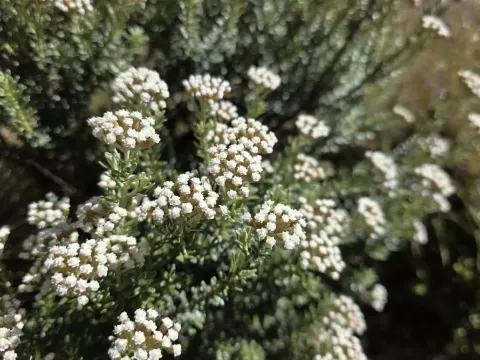
Ozothamnus is a member of the Asteraceae family, comprising evergreen shrubs native to Australia and New Zealand. These plants are widely recognized for their unique, often metallic-looking flower buds and intricate foliage.
What the section contains


Ozothamnus
The crop thrives in full sun and requires exceptionally well-drained soil. As a plant adapted to poor, rocky substrates, it suffers significantly from waterlogged conditions, which often lead to lethal root rot.
Climatic requirements involve moderate temperatures, as most species are not frost-hardy. In temperate regions, commercial growers often utilize greenhouse production or container systems to protect the plants from extreme winter conditions.
Agrotechnical maintenance centers on systematic pruning. Pruning immediately after the flowering stage is essential to promote bushiness and prevent the plant from becoming leggy, ensuring high-quality stems for future seasons.
Economically, Ozothamnus is highly valued in the floral industry as a premium dried flower crop. Its ability to retain structure and color for extended periods after harvest makes it a staple in professional floristry and home decor.
Root rot, driven by Phytophthora or similar fungal pathogens, represents the most significant threat to plant health. This usually occurs when soil drainage is insufficient or irrigation frequency is too high.
Common insect pests include aphids and mealybugs, which tend to congregate on tender new growth. These pests can severely weaken the plant and reduce the aesthetic value of the stems, making them unfit for market.
Spider mites can become an issue in controlled environments or during long periods of drought, particularly when air circulation is poor, leading to visible leaf damage and stunted growth.
Management strategies involve integrated pest management (IPM), including the use of targeted systemic insecticides and ensuring optimal environmental control to reduce stress on the plants.
Maintaining a clean cultivation area and removing debris under the shrubs is a critical practice to reduce the pressure of fungal diseases and provide a healthier growing environment.
Harvesting is typically done when the flower buds are fully developed but not yet fully opened. This timing ensures that the structure of the bud remains intact during the subsequent drying process.
Stems are bundled and hung upside down in a cool, dark, and well-ventilated environment. This traditional drying method preserves the natural pigments and prevents the stems from drooping or losing their characteristic shape.