
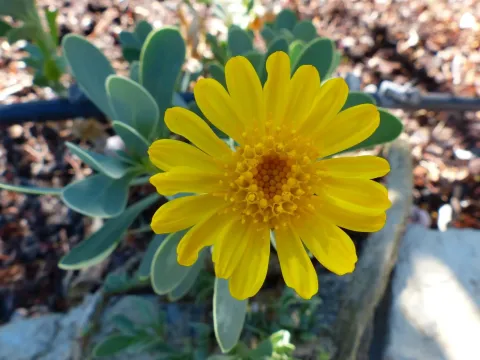
Othonnopsis
Othonnopsis
Othonnopsis is a genus belonging to the Asteraceae family, encompassing perennial plants and small shrubs adapted to arid environments. These plants are characterized by their succulent nature, which allows them to thrive in harsh, desert-like conditions.
What the section contains
Othonnopsis
Native to North Africa and the Middle East, the genus has evolved in regions with extreme temperature fluctuations and limited water availability. This history makes the plant highly resilient in specialized cultivation settings.
The botanical structure of Othonnopsis features fleshy foliage, which acts as a storage organ for water. The stems and leaves are often covered with a protective cuticle or fine hairs to mitigate water loss via transpiration.
Regarding cultivation requirements, the soil must be exceptionally porous and well-draining. A mix of sand, grit, and volcanic rock is ideal, as stagnant water is the primary cause of plant failure in this genus.
Light intensity is another critical factor for growth. Othonnopsis requires full sunlight to maintain its structural integrity and encourage the production of its signature yellow flowers during the active growing season.
The most significant threat to Othonnopsis is root rot, triggered by overwatering or poor drainage. Once internal tissues become saturated, the plant is susceptible to various soil-borne pathogens that cause rapid collapse.
Pests, particularly mealybugs and spider mites, are common in greenhouse environments where airflow might be limited. These insects feed on the plant sap, leading to stunted growth and discolored foliage.
Fungal issues such as leaf spot or stem mold can develop if the environment remains too humid for extended periods. Improving ventilation is the most effective cultural method to combat these infections.
Integrated pest management, including the use of systemic insecticides or horticultural oils, should be applied with caution. Because the plants are sensitive, it is recommended to test treatments on a small area first.
To ensure long-term plant health, growers should focus on providing a lean substrate, moderate watering during growth, and a completely dry dormancy period during the colder months.