
Ozothamnus
Ozothamnus hybrids
Description
Growing requirements
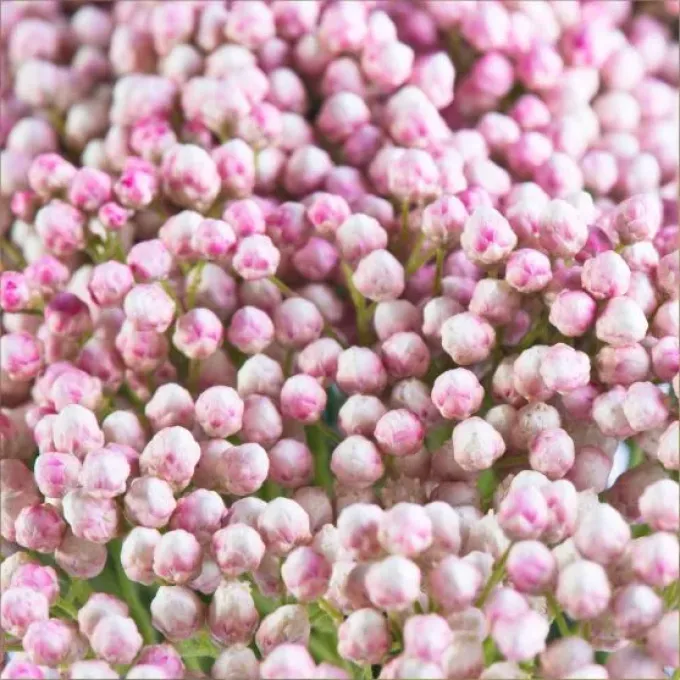
Ozothamnus is a genus of evergreen shrubs belonging to the Asteraceae family. Native primarily to Australia and New Zealand, these plants are highly valued for their unique, often metallic-colored flower heads and dense, aromatic foliage.
The plant thrives in well-drained, sandy, or rocky soils with low fertility. The most critical aspect of its cultivation is ensuring excellent drainage; the plant is extremely susceptible to root rot if it sits in stagnant water or poorly aerated soil.
Ozothamnus prefers full sun exposure to maintain compact growth and vibrant flower colors. While some hybrids offer moderate frost resistance, they generally perform best in mild climates or as container plants that can be sheltered during freezing temperatures.
Agronomic management is characterized by minimal intervention. It does not require intensive fertilization, as excessive nitrogen often leads to weak, spindly growth and diminished flower production. Pruning after flowering helps maintain the desired shape and encourages bushier growth.
In terms of economic use, Ozothamnus is a staple in the floral industry. Its long-lasting blooms are widely used in fresh bouquets and dried flower arrangements, providing a distinct texture and architectural element that few other crops can offer.
Main diseases and pests
Root rot caused by Phytophthora species is the most significant threat to Ozothamnus. This pathogen thrives in heavy, wet soil, making site selection and soil preparation the primary defense strategy for growers.
Pests such as spider mites and mealybugs can infest plants, particularly under greenhouse conditions. These pests thrive in dry environments and can cause significant damage to foliage and flower quality if left untreated.
Integrated pest management should focus on maintaining adequate air circulation and using biological control agents where possible, complemented by targeted insecticide applications when thresholds are exceeded.
Foliar diseases, including various types of leaf spot, can occur during periods of high humidity. Preventive fungicide sprays may be required in areas with frequent rainfall to maintain plant health and marketability.
Sanitation practices are vital; removing infected plant debris and ensuring that pruning tools are sterilized between cuts will significantly reduce the risk of spreading pathogens across the plantation.