
Ozothamnus thyrsoides
Ozothamnus thyrsoides
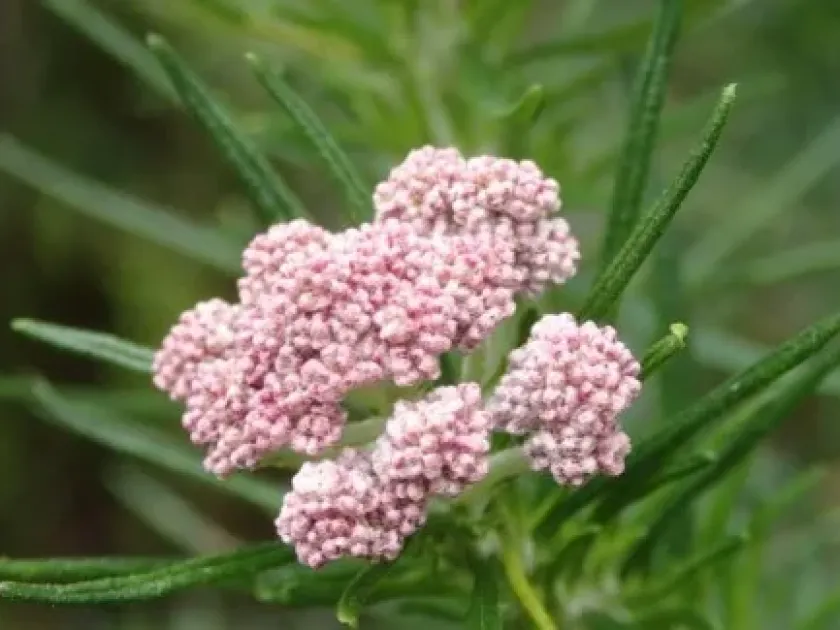
Description
Growing requirements
Ozothamnus thyrsoides is an evergreen shrub belonging to the Asteraceae family. Originating from southeastern Australia and Tasmania, this species is well-adapted to cool, temperate climates and moist environments found in its native habitat.
The plant thrives in sunny locations with well-drained, acidic to neutral soils. It is critical to ensure that the planting site has excellent drainage, as the roots are highly susceptible to rot when exposed to waterlogged conditions.
As a temperature-sensitive species, it requires protection from severe frosts. In regions with harsh winters, it is typically grown as a container plant, allowing for easy relocation to greenhouses or sheltered areas during the dormant season.
The culture requires consistent moisture levels without excess. During the active growing season, regular watering is essential, but it is important to allow the substrate to breathe to maintain optimal root health.
Cultivation practices involve selecting high-quality, airy substrates that mimic the natural rocky and sandy soils of its origin. Proper air circulation around the root zone and canopy is a fundamental requirement for successful development.
Main diseases and pests
Root rot is the most significant threat to this culture, usually stemming from overwatering or inadequate soil drainage. Implementing proper irrigation management and improving soil structure are the primary prevention strategies.
Pests such as spider mites can infest the foliage, particularly in greenhouse conditions where humidity levels may fluctuate. Regular monitoring and maintaining appropriate microclimatic conditions help suppress these pest populations.
Powdery mildew may develop if there is insufficient air movement within the foliage. The use of specialized fungicides is recommended if signs of infection appear, along with thinning the canopy to improve airflow.
Imbalanced nutrient application, especially excess nitrogen, results in succulent, weak growth that is prone to physical damage and pest infestations. A balanced, slow-release fertilizer is ideal for healthy, resilient growth.
Sanitation is key to disease prevention. Removing dead leaves and spent flowers promptly eliminates potential breeding grounds for pests and sources for fungal spore dissemination, ensuring a healthy growing environment.
Harvesting
Ozothamnus thyrsoides is highly valued in the floral industry for its dense clusters of small, creamy-white flowers. These inflorescences are used extensively as fillers in professional bouquets and intricate floral designs.
Harvesting should occur when the flowers have reached full maturity but are still vibrant. Cut stems are prized for their longevity, often remaining attractive even after drying, making them a dual-purpose crop for fresh and dried arrangements.
Post-flowering pruning is a vital agronomic practice. It promotes a bushy, compact growth habit and ensures a higher density of flowering stems for the following season, maximizing the overall commercial yield.
Landscape designers utilize the plant for its unique texture and year-round interest. Its presence in gardens adds a structural element that complements various planting styles, including coastal and mediterranean-themed landscapes.
When harvesting, the use of sharp, sterilized pruning tools is mandatory. This practice prevents the spread of pathogens and ensures that the plant recovers quickly without the risk of dieback on the cut stems.