
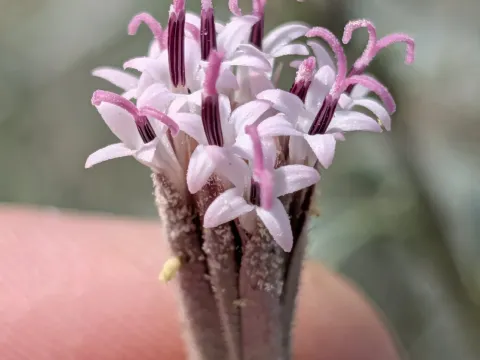
Palafoxia
Palafoxia
Sowing Palafoxia seeds is best conducted in the spring when the soil has fully warmed up, typically once the threat of late frosts has completely passed.
What the section contains


Palafoxia
For those starting indoors, seeds should be sown in seedling trays with a well-draining, sandy-based mix approximately two months before the planned outdoor planting date.
The seeds require light to germinate effectively, so they should be surface-sown and only lightly pressed into the soil rather than being buried deep within the substrate.
When transplanting young seedlings into the garden, ensure a spacing of at least 30 to 45 centimeters to allow for optimal airflow between the developing plants.
Initial irrigation is necessary until the root systems are established, but once the plants reach maturity, they exhibit significant drought tolerance and require minimal supplemental water.
Palafoxia is a genus of flowering plants belonging to the Asteraceae family, native to the arid and semi-arid regions of North America and Mexico.
The plant thrives in full sun and requires exceptionally well-draining soil, such as sandy, rocky, or calcareous substrates, which mimic its natural environment.
It is well-suited for xeriscaping projects due to its ability to survive prolonged dry spells and high temperatures without the need for constant human intervention.
Soil fertility requirements are relatively low; in fact, overly rich soil may cause the plants to become "leggy" or less vibrant, so fertilization should be kept to a minimum.
Optimal growth is achieved in neutral to slightly alkaline soil conditions, avoiding heavy clays that tend to retain moisture and lead to root decay.
The most significant threat to Palafoxia is waterlogged soil, which creates an environment conducive to root rot and other systemic fungal pathogens that can destroy the plant rapidly.
Foliar diseases, including powdery mildew, can occur if the plants are grown in areas with poor air circulation or consistently high humidity levels during the peak growing season.
Common garden pests such as aphids and spider mites may occasionally infest the plants, particularly during dry, hot weather, necessitating regular monitoring of the underside of leaves.
To maintain plant health, it is vital to keep the area around the base free from dense weeds that could trap humidity and impede the necessary airflow for the plants.
- Maintain proper spacing to prevent foliage density issues.
- Ensure excellent drainage through site selection or amendment.
- Apply organic insecticidal soaps if pest populations reach economic thresholds.