
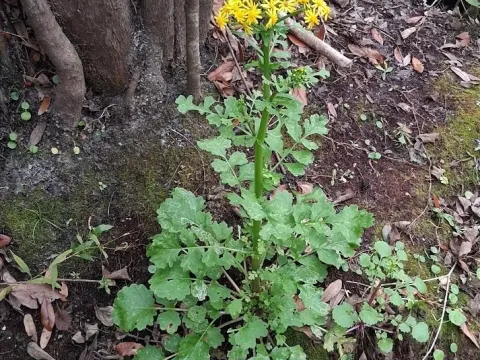
Packera
Packera
Packera is a genus of perennial flowering plants belonging to the Asteraceae family. These plants were historically grouped within the Senecio genus, but morphological studies have clarified their distinct placement. They are widely recognized for their vibrant yellow blooms and ecological significance in North American ecosystems.
What the section contains


Packera
The native range of Packera encompasses diverse habitats, including meadows, woodlands, and rocky slopes across North America. Their ability to colonize different substrates makes them versatile candidates for native garden restorations, provided their specific environmental requirements are met by the grower.
Botanically, these plants are defined by their basal rosettes of leaves and composite flowers. The foliage often persists through the winter, providing ground cover in early spring. Their growth habit is generally clumping or spreading, depending on the specific species, which makes them excellent for erosion control.
In terms of cultivation, Packera prefers moist to well-drained soils rich in organic matter. While they are often found in partially shaded forest settings, many species thrive in full sun, provided the soil remains consistently moist. They are generally low-maintenance once established.
хозяйственном плане (хозяйственного использования), Packera is primarily utilized for ornamental purposes and as a nectar source for native pollinators. Their resilient nature allows them to fit perfectly into sustainable landscape designs, acting as both an aesthetic feature and an ecological support for local insect populations.
Common pests affecting Packera include aphids, which often congregate on the undersides of leaves or flower buds. Monitoring these populations during the peak growth season is essential to prevent significant damage to the floral displays.
Powdery mildew is the most frequent fungal disease, particularly in humid or crowded planting conditions. Proper air circulation and adequate spacing between plants are the most effective cultural practices to mitigate the spread of this fungus.
Root rot remains a significant threat, especially in heavy clay soils that retain excess moisture. Improving soil structure through the addition of organic matter or inorganic amendments can significantly reduce the incidence of soil-borne pathogens.
Leaf miners can occasionally cause aesthetic damage by tunneling through the leaf tissue. While usually not lethal to the plant, it is recommended to prune and destroy heavily infested leaves to reduce the overall insect population in the garden.
Maintaining plant vigor is the best defense against pests and diseases. By choosing appropriate sites, providing balanced watering, and avoiding overhead irrigation during evening hours, gardeners can minimize the necessity for chemical interventions.