
Ozothamnus antennaria
Ozothamnus antennaria
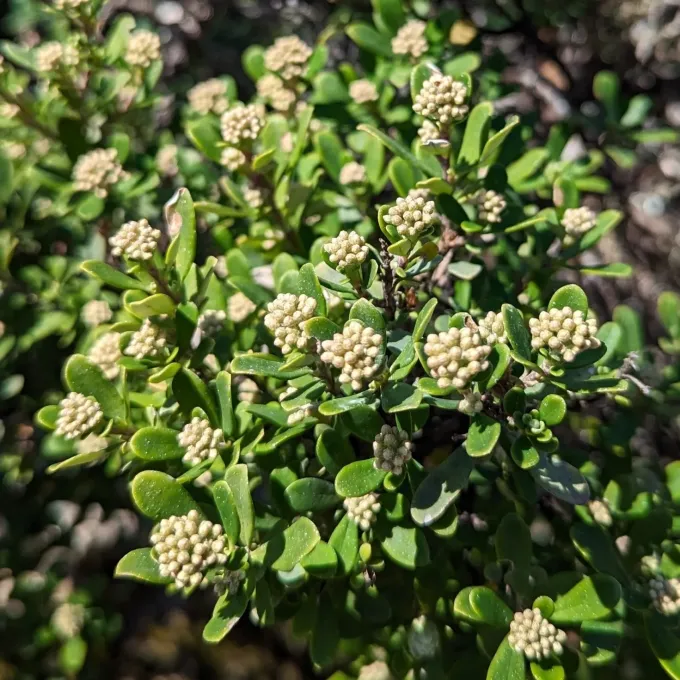
Description
Growing requirements
Ozothamnus antennaria is a notable evergreen shrub belonging to the Asteraceae family. It is recognized for its unique, silvery foliage and intricate flowering patterns, making it a valuable species for decorative landscaping.
The plant thrives in well-draining soils with a slightly acidic to neutral pH. It is evolutionarily adapted to environments with poor soil fertility, so excessive fertilization is counterproductive and often harms the plant's health.
Climatic requirements focus on high solar exposure and protection from harsh winter frosts. While the species is relatively hardy, it performs best in mild, maritime-influenced climates where extreme temperature fluctuations are minimized.
Agronomic management requires careful control of soil moisture levels. Since the root system is susceptible to fungal infections in waterlogged soil, raised beds or sloped planting sites are highly recommended for optimal results.
Spacing during planting is essential to ensure proper air circulation around each plant. Proper ventilation reduces the humidity trapped within the canopy, which is a key preventive measure against common leaf diseases.
Main diseases and pests
The most common biological threats to Ozothamnus antennaria include fungal root pathogens, typically triggered by improper irrigation practices. Phytophthora is the primary concern for commercial producers.
Aphids and scale insects can occasionally infest the terminal growth of the branches. Integrated pest management strategies, focusing on biological controls and minimal chemical interference, are preferred to protect the delicate foliage.
Leaf spot diseases may occur in areas with poor airflow and high humidity. These diseases manifest as dark lesions on the leaves, which significantly reduce the commercial value of the branches intended for floral use.
Root competition from weeds is another significant challenge, especially in the first two years of establishment. Mechanical weeding is necessary to prevent nutrient depletion and keep the base of the shrub dry.
Environmental stress, such as unseasonal frost or severe wind, can cause branch dieback. Providing windbreaks or using protective covers during extreme events is vital for maintaining the structural integrity of the crop.
Harvesting
The primary commercial application of Ozothamnus antennaria is in the floriculture industry. It is specifically harvested for its ornamental branches, which add texture and a modern aesthetic to cut-flower bouquets.
Harvesting should be performed using sharp, sanitized tools to minimize mechanical damage to the shrub. The best time for harvest is early morning, when the plants are turgid and have the highest moisture content.
Post-harvest management involves careful drying techniques. By keeping the harvested stems in a cool, ventilated, and dark room, growers can preserve the delicate structure and color of the blossoms for months.
Sustainability in harvesting is maintained by never removing more than one-third of the plant's total biomass in a single growing season. This ensures that the shrub retains enough photosynthetic area to regenerate.
Yield quality is highly dependent on pruning practices. Regular, light shaping throughout the growing season ensures that all branches receive adequate light, resulting in a more uniform and marketable crop.