
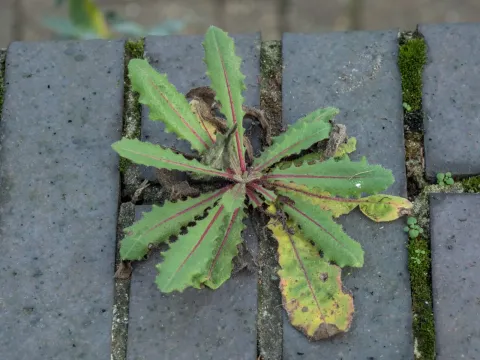
Ox-tongue
Picris
Ox-tongue, scientifically known as Picris, is a genus of flowering plants belonging to the Asteraceae family. Distributed across diverse regions in Europe and Asia, these plants are known for their resilience and ability to thrive in various habitats. While often managed as a weed in agricultural settings, they hold significant botanical interest due to their survival strategies.
What the section contains


Ox-tongue
The cultural requirements for Picris involve well-drained soil and exposure to direct sunlight. This plant is highly adaptable to both acidic and alkaline soil conditions, making it ubiquitous in disturbed areas, roadsides, and agricultural fields. Proper soil preparation, including deep cultivation, is essential to manage its deep taproot system effectively.
Botanical traits of the genus include hispid (bristly) stems and leaves, which serve as a natural defense mechanism against herbivores. The basal leaves form a rosette, providing a competitive advantage during early growth stages. Its inflorescence, characterized by yellow capitula, ensures successful pollination by various insect species throughout the flowering season.
Agricultural practices for controlling or cultivating Picris necessitate strategic weed management, including mechanical removal before seed set. In fields where it acts as a competitor, maintaining a dense canopy of primary crops helps suppress its development. For specialized use, such as herbal or medicinal applications, specific harvesting times are required to ensure the concentration of active components.
Economic importance of Picris varies; while it is often treated as a problematic weed due to its aggressive growth, it provides essential ecological services. It acts as an early-season nectar source for beneficial pollinators and can contribute to soil stability in erosion-prone areas. Future research into its genetic potential may reveal further applications in phytoremediation.
The primary threats to the health of Picris plants include powdery mildew and rust fungi, which thrive in high-humidity environments. Additionally, generalist pests such as aphids often colonize the succulent stems and leaves, potentially leading to stunted growth. Effective monitoring and integrated pest management (IPM) strategies are required to maintain healthy populations where needed.