
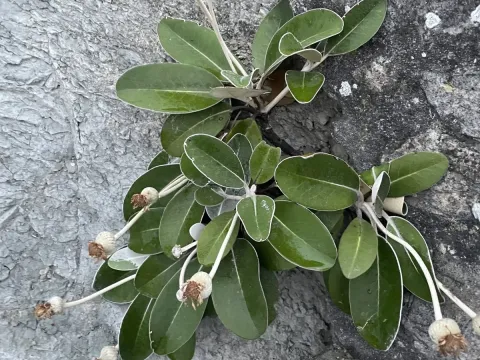
Pachystegia
Pachystegia Cheeseman
Pachystegia is a genus of evergreen shrubs belonging to the Asteraceae family. Native to New Zealand, specifically the South Island, these plants are primarily found in rocky, alpine, and sub-alpine environments.
What the section contains

Pachystegia
Botanically, the plant is recognized for its slow-growing nature and its dense, leathery leaves. These leaves are typically covered with thick white or silver tomentum, an adaptation that helps the plant survive harsh winds and intense sunlight.
Cultivation requires conditions that mimic the plant's natural habitat. Specifically, well-draining soil is non-negotiable, as the roots are highly susceptible to rot when kept in damp or waterlogged conditions.
In terms of climate, Pachystegia performs best in temperate environments with high levels of sunlight. It is not a frost-hardy plant in extreme conditions and requires protection in regions with harsh winters.
The plant is highly valued for its ornamental appearance, particularly its large daisy-like flower heads and unique foliage texture. It is frequently utilized in rock gardens and landscapes where a low-maintenance, drought-tolerant species is desired.
Excessive moisture in the root zone is the primary threat to the health of Pachystegia. Poor drainage consistently leads to phytophthora or other soil-borne fungal diseases that can kill the plant quickly.
Aphids and spider mites are common pests that may infest the foliage and young buds. Integrated pest management strategies, such as physical removal or mild soaps, are recommended for control.
Powdery mildew can occur if air circulation around the shrubs is poor. Proper spacing and location choice are vital to prevent stagnant air pockets that encourage fungal growth.
Soil pH levels should be monitored to ensure they remain neutral or slightly alkaline. Acidic soils can hinder the plant's ability to uptake necessary minerals, leading to leaf discoloration.
Root disturbance should be avoided at all costs. Using heavy mulch or gravel around the base prevents soil compaction and reduces the need for manual weeding that could damage the shallow root system.