
Othonna retrofracta
Othonna retrofracta
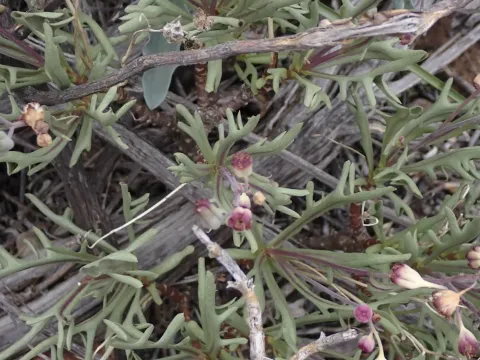
Othonna retrofracta is a striking succulent shrub belonging to the Asteraceae family. Native to the arid regions of Southern Africa, it is highly adapted to drought, which is reflected in its unique, zig-zag branching habit and fleshy, deciduous leaves.
What the section contains
Othonna retrofracta
The primary requirement for this species is a highly porous and inorganic growing medium. A specialized mix composed of pumice, coarse sand, and a small amount of potting soil ensures the necessary aeration for its delicate root system.
Bright, direct sunlight is essential for maintaining the plant's structural integrity. When provided with optimal light, the stems remain rigid and show their characteristic growth pattern, while insufficient light leads to etiolation and weak, leggy stems.
Temperature management should mimic the natural desert environment, favoring warm days and cooler nights. As a tropical succulent, it must be protected from frost and should be maintained in a controlled indoor environment during colder seasons.
Watering requires strict discipline, following the soak-and-dry method. During the active growing season, water should be applied only when the soil is completely dry throughout the pot to prevent the common issue of moisture accumulation.
Root rot is the most significant threat to Othonna retrofracta, typically caused by waterlogged soil. This pathogen-driven issue can kill the plant within a few days if the drainage conditions are not met correctly.
Mealybugs are the most persistent pests for this variety. They often hide in the complex junctions of the stems, making them difficult to detect and treat without specialized systemic insecticides or careful manual removal.
Spider mites may infest the plant if the air remains stagnant and excessively dry for long periods. Their feeding causes localized necrosis on the stems, which can permanently scar the plant's surface.
Integrated pest management involves consistent monitoring and ensuring adequate airflow around the plant. Avoiding overcrowding in a collection is key to preventing the spread of insects and fungal spores.
If the plant exhibits signs of decline, checking the root health is the first priority. Repotting into fresh, sterile, and dry substrate is often the most effective method to save a plant showing early signs of environmental stress.