
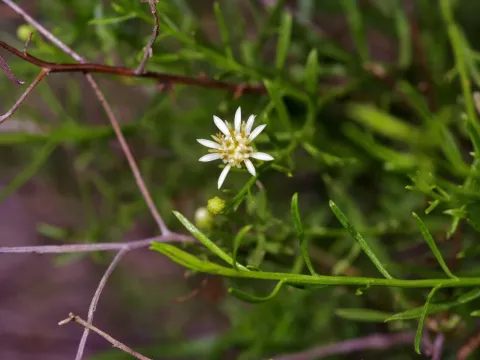
Neonesomia
Neonesomia
Sowing Neonesomia requires precise timing synchronized with soil temperature. Seeds should be planted only when the soil at the seeding depth has consistently reached 10 to 12 degrees Celsius to ensure uniform germination.
What the section contains
Neonesomia
The optimal window for sowing generally occurs in mid-spring, avoiding the risk of late frost. Early planting in cold soils often results in low emergence rates and weak initial growth, which compromises the overall performance of the crop.
Seeds are typically placed at a depth of 2 to 4 centimeters. In lighter soil types, slightly deeper planting is recommended to ensure the seed maintains adequate contact with soil moisture, preventing desiccation during the germination phase.
Proper spacing is crucial for canopy development. A row spacing of 45 to 60 centimeters is generally advised to allow for efficient machine cultivation and to ensure each plant receives optimal light and nutrient access.
Uniform seed distribution is essential to prevent overcrowding. Competition for resources among seedlings can lead to stunted growth and uneven maturation, which complicates harvest procedures and reduces quality consistency.
As a member of the Asteraceae family, Neonesomia thrives in well-lit environments. Full sun exposure is critical for maximizing the photosynthetic rate and ensuring healthy development of the plant's vegetative parts.
The crop prefers well-drained, fertile soil types such as sandy loams. Drainage is particularly important, as standing water in the root zone can trigger physiological stress and invite soil-borne fungal pathogens.
Soil pH should ideally be maintained in the near-neutral range, between 6.0 and 7.0. If the soil is excessively acidic, liming should be performed well in advance of sowing to create the necessary conditions for nutrient uptake.
Neonesomia is moderately drought-tolerant but performs best when provided with consistent moisture during its peak growth stages. Water management should focus on maintaining adequate soil moisture without causing saturation.
Regular maintenance involves keeping the field clear of weeds, particularly during the first few weeks post-emergence. Early weed competition can significantly hamper the crop's ability to establish a robust root system.
Yield potential of Neonesomia is heavily dependent on management practices. Providing balanced nutrient inputs, particularly during vegetative expansion, is key to achieving high biomass production in commercial settings.
Average yield figures vary based on regional climatic conditions and irrigation availability. In high-input systems, the crop can demonstrate significant productivity, provided that environmental stressors remain controlled.
Optimizing plant density is a key factor in maximizing yield per hectare. Studies suggest that finding the right balance between plant population and resource availability is necessary to prevent premature senescence of the stand.
Phosphorus and potassium applications are particularly beneficial for strengthening plant tissues and improving overall hardiness. These inputs help the plant navigate stress periods, ensuring a more stable and reliable harvest volume.
Continuous monitoring of crop progress allows for the strategic adjustment of agronomic inputs. This approach ensures that the crop receives nutrients only when needed, maximizing the efficiency of fertilizer use while maintaining production targets.
The most common disease risks include powdery mildew, which thrives in high humidity and stagnant air conditions. Dense plantings without proper airflow are particularly susceptible to this fungal infection, which damages leaves.
Pests like aphids and spider mites can be problematic in dry, warm weather. These insects feed on the sap of young shoots, causing leaf curling and reduced growth, which can lead to significant aesthetic and quantitative losses.
Root rot represents a major threat, typically occurring in poorly drained soils or due to over-irrigation. Proper site selection and careful water management are the best preventative measures against these soil-borne pathogens.
An integrated pest management (IPM) strategy, combining biological controls and crop rotation, is highly effective. Avoiding the repeated planting of Neonesomia in the same field helps break the pest life cycle.
Regular field scouting is essential to identify infestations at an early stage. When chemical intervention is required, selective products should be used to protect beneficial insects and minimize the environmental impact of the treatment.
Harvesting Neonesomia must be conducted at the stage of technical maturity to ensure the highest product quality. Timing is critical, as delayed harvest can lead to fiber degradation and losses in secondary metabolite content.
Harvesting during dry weather is essential to maintain product integrity and prevent the development of mold during storage. Excessive moisture at harvest time can significantly compromise the shelf life of the collected material.
Mechanical harvesting requires careful adjustment of equipment to ensure clean cuts. Minimizing mechanical damage during the process helps to prevent premature spoilage and ensures that the raw material meets quality standards.
After collection, the crop undergoes initial cleaning and sorting to remove debris. This phase is crucial for establishing the commercial grade of the product and ensuring it meets the expectations of the end-users.
For storage, the product should be kept in well-ventilated, cool, and dry conditions. Proper temperature management, typically between 5 and 10 degrees Celsius, helps maintain the quality and chemical composition of the harvest.