
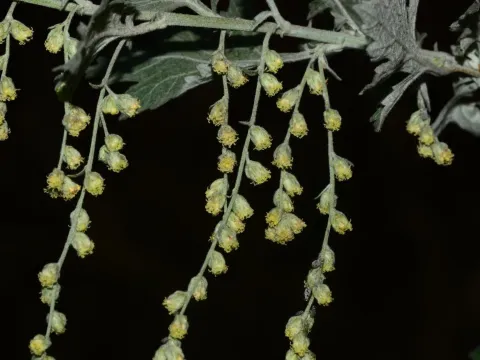
Nilgiri wormwood
Artemisia nilagirica
Nilgiri wormwood (Artemisia nilagirica) is a significant species belonging to the Asteraceae family. Propagation is generally performed through seeds or vegetative division of the root system.
What the section contains
Nilgiri wormwood
Sowing in a greenhouse or controlled environment is recommended during late winter. This ensures that seedlings are strong and well-developed by the time the frost season ends.
The optimal germination temperature range is between 18°C and 22°C. Once the seedlings reach a height of about 10–15 cm, they are ready for hardening off and transplanting.
Proper spacing between plants is crucial for maintaining aeration. Typically, a planting density of 25,000 to 40,000 plants per hectare is utilized in professional plantations.
Transplanting into the open field should occur only when the soil has sufficiently warmed up, ensuring the root system can establish itself before any potential stress.
As a plant originating from mountainous regions, it thrives in temperate climates with plenty of exposure to sunlight, which is vital for essential oil production.
The soil must be light, well-draining, and slightly acidic to neutral in pH. Avoid planting in clay-heavy soils that tend to trap water, as root rot is a common issue.
While the plant is moderately drought-tolerant once established, providing consistent moisture during the vegetative stage significantly improves the yield of green biomass.
Fertilizer application should be cautious. Over-fertilization, especially with nitrogen, can lead to rank growth that lacks the high-quality aromatic compounds sought by industry.
Good ventilation around the plants is essential for plant health. Fields should be situated in areas that receive sufficient air movement to prevent the buildup of humidity.
The yield of Nilgiri wormwood is heavily dependent on the age of the plantation. The highest production cycles are typically observed during the second and third years of life.
Growers can expect to harvest between 3 and 6 tons of dry raw material per hectare under optimal growing conditions and good farm management practices.
The plant is highly valued for its volatile oils, which are distilled from the leaves and flowering tops. The oil content ranges from 0.5% to 1% of the dry matter.
Besides essential oils, the biomass is often utilized in the production of herbal teas, tinctures, and specialized extracts for the pharmaceutical and cosmetic industries.
Strategic harvesting cycles allow producers to maximize biomass output without depleting the plant's resources, ensuring the field remains productive for multiple seasons.
Powdery mildew is the most common threat to this crop, especially in humid and poorly ventilated conditions. Prevention through spacing is the primary control strategy.
Root rot, triggered by waterlogged soil, can decimate a plantation. Ensuring proper slope and drainage in the field is a fundamental agronomic requirement.
While the plant's natural essential oils serve as a deterrent to many pests, aphids and spider mites can occasionally pose a risk during exceptionally dry seasons.
Integrated pest management, focusing on biological controls and manual monitoring, is preferred to maintain the organic integrity of the medicinal harvest.
Regular sanitation of the field, including the removal of dead or diseased plant matter, is essential for mitigating the spread of pathogens across the crop.
Harvesting should coincide with the early flowering stage, as this is when the concentration of bioactive compounds and essential oils is at its peak.
Mechanical harvesting equipment is used to cut the stems, typically leaving about 10–15 cm of the plant above the ground to facilitate regrowth for the next season.
Immediate processing is crucial for high-quality production. The material should be dried in a shaded, well-ventilated area to preserve the integrity of the essential oils.
For essential oil extraction, the biomass is often processed fresh to avoid the losses associated with the drying process and the evaporation of volatile components.
Proper storage involves keeping the dried product in airtight containers in a cool, dark environment to prevent degradation and loss of aromatic potency.