
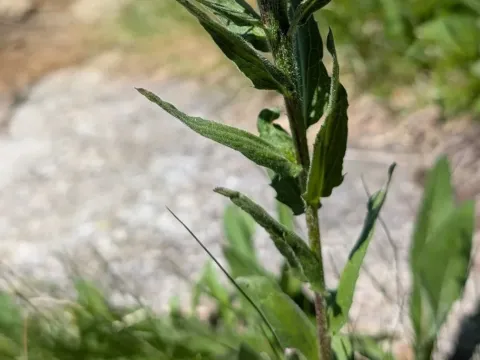
Nervose knapweed
Centaurea nervosa
Nervose knapweed (Centaurea nervosa) is a perennial herbaceous plant belonging to the Asteraceae family. It is recognized by its unique, thistle-like appearance and robust growth habit, which makes it a valuable asset for alpine-style gardens.
What the section contains
Nervose knapweed
Native to the mountainous regions of Central and Southern Europe, this plant thrives in alpine and subalpine meadows. Its evolutionary history has made it exceptionally tolerant to fluctuating mountain temperatures and high solar exposure.
To cultivate this species successfully, gardeners must provide well-drained, porous soil. It is particularly sensitive to stagnant water during the dormant season, which can lead to crown rot and loss of the plant.
The plant requires full sun to maintain its compact form and vibrant flower production. In areas with high humidity, it is essential to plant it in open locations to ensure adequate air circulation around the foliage.
Routine maintenance includes deadheading the spent flower heads, which promotes cleaner plant aesthetics. Moderate irrigation is recommended only during prolonged dry spells to keep the plant in optimal vegetative condition.
Powdery mildew is the most prevalent fungal issue for Nervose knapweed, particularly when plants are grown in crowded conditions with limited airflow during humid weather cycles.
Aphids can frequently attack the soft, emerging growth in late spring, leading to distorted flower buds. Early intervention with insecticidal soaps is often sufficient to manage these infestations effectively.
Root rot pathogens are a persistent threat if the soil is not properly draining. Over-watering and heavy, dense soil types are the primary contributors to this problematic condition in cultivation.
Slugs and snails are known to feed on the foliage of younger plants, potentially stripping them of their photosynthetic capacity. Using physical barriers or bait is standard in nursery production.
Maintaining a clean garden bed by removing surrounding weeds reduces the competition for nutrients and limits the habitat for many potential pest species that might migrate to the knapweed.