


Reference · Crops
Nipplewort
Lapsana
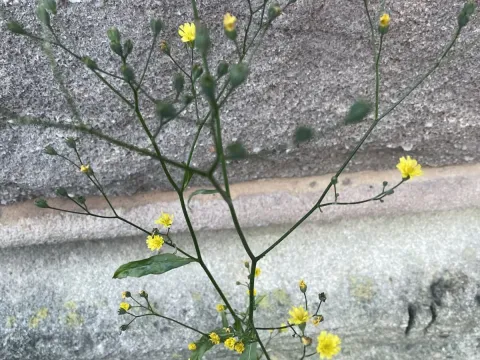
Nipplewort (Lapsana communis) is an annual plant belonging to the Asteraceae family. It originates from Europe and parts of Asia and has spread across various temperate regions, where it often thrives in hedge banks, woodlands, and managed agricultural fields.
1
items
What the section contains
Marketplace
Products in this section · 5


Nipplewort
This crop prefers fertile, moisture-retentive soils that are rich in organic matter. While it is tolerant of diverse conditions, it shows the most vigorous growth in neutral to slightly alkaline soil types when provided with sufficient hydration throughout the season.
Botanically, it is characterized by its lyrate-pinnatifid lower leaves and a branched, slender stem. The plant produces small, yellow flower heads that are arranged in a corymb-like inflorescence, making it easily distinguishable from other wild flowers in the field.
Climatic requirements focus on temperate conditions with moderate sunlight. Direct exposure to intense, prolonged heat can cause the plant to wilt; therefore, providing partial shade or maintaining soil moisture is vital for maintaining the quality of the green tissue.
In terms of agricultural use, Nipplewort is traditionally recognized for its nutritional value. Its young leaves are edible and rich in vitamins, and it has been historically utilized in subsistence farming as both a food source and a forage crop for small livestock.
Powdery mildew is the most prevalent disease affecting Nipplewort, particularly in areas with high humidity and poor air circulation. This fungal infection can significantly diminish the vegetative growth if not managed through proper spacing and sanitation.
Insect pests, such as aphids, represent a constant challenge for the crop. They cluster on the underside of leaves and tender buds, draining sap and creating environments conducive to secondary infections and viral diseases within the stand.
Rust diseases are also known to affect Lapsana, appearing as characteristic pustules on the leaves. These infections can be minimized by avoiding overhead irrigation and ensuring that the foliage stays dry during the evening hours.
To control these threats, an integrated pest management (IPM) strategy is essential. This includes the use of beneficial insects, such as ladybugs, which are natural predators of aphids, and the maintenance of diverse soil ecology to boost plant health.
The cultural practice of thinning plants to ensure optimal plant density is a key agronomic measure. By providing each plant with sufficient space, farmers can effectively reduce the risk of outbreaks and improve the overall vigor of the crop harvest.