
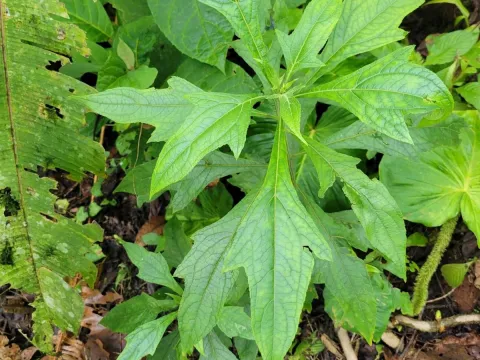
Neurolaena
Neurolaena
Neurolaena (Neurolaena lobata) is a perennial herbaceous plant belonging to the Asteraceae family. Propagation is primarily through seeds, which require specific environmental conditions to achieve optimal germination rates.
What the section contains

Neurolaena
For agricultural cultivation, seeds should be sown in a well-draining, nutrient-rich substrate. The ideal timing for sowing is the beginning of the rainy season to provide sufficient natural moisture for initial establishment.
In nursery settings, seeds are typically sown in trays or plug cells to produce healthy seedlings. This allows for better control over the environment during the critical first few weeks of the plant's life cycle.
Proper plant spacing is essential for this species, as it is a vigorous grower. Maintaining adequate space between rows ensures better air circulation and reduces the risk of fungal diseases within the crop canopy.
Field preparation involves removing competing weeds and incorporating organic matter into the topsoil. This creates a favorable environment for rapid root development immediately after transplantation.
Neurolaena thrives in tropical climates with temperatures ranging between +22 and +30 degrees Celsius. It is highly sensitive to frost and requires consistent warmth throughout the growing season.
The plant prefers fertile, well-draining soils with a neutral pH. While it can adapt to various soil types, waterlogged conditions must be avoided at all costs to prevent root rot.
Consistent moisture is necessary, particularly during the early stages of development. Mulching is highly recommended to maintain soil moisture levels and suppress weed growth between rows.
Regarding light, Neurolaena is sun-loving but can tolerate partial shade. However, optimal production of secondary metabolites is usually achieved under high light intensity.
Balanced fertilization, particularly with adequate nitrogen, supports the rapid vegetative growth required for high yields of foliage, which is the primary harvestable part of the plant.
The yield of Neurolaena is calculated based on the harvestable biomass of its leaves. Strategic pruning and regular maintenance are key factors in maximizing productivity across multiple harvest cycles.
In a well-managed plantation, multiple harvests per year are possible. As the plant regrows after being cut, the yield potential increases, provided that soil nutrients are replenished after each harvest.
The productivity of the crop is linked to the age of the plants; established stands generally produce more uniform biomass compared to newly planted fields, provided that old stems are pruned back.
For optimal medicinal quality, leaves should be harvested at the peak of their physiological development, which typically precedes the onset of the flowering stage.
Post-harvest management, including rapid drying and proper handling, is crucial to ensuring that the collected biomass retains its quality and market value for pharmaceutical applications.
The most significant threats to Neurolaena cultivation are fungal infections caused by excessive humidity and stagnant air. These conditions can quickly lead to leaf spot and other related issues.
Pests, particularly aphids and spider mites, can cause damage to foliage. Early detection is vital to prevent these pests from spreading throughout the entire crop area.
Root system health is frequently threatened by excessive water, which creates an environment conducive to pathogen colonization. Proper soil management is the first line of defense.
Integrated pest management (IPM) strategies, including the use of biological controls and crop rotation, are effective ways to mitigate risks without relying on harsh chemical pesticides.
Maintaining cleanliness in the field, including the prompt removal of diseased plant parts, is essential for minimizing the risk of infection and ensuring the longevity of the stand.
Harvesting is a manual process requiring careful selection of mature leaves. Workers are trained to identify leaves that are fully expanded and exhibit the healthy color typical of the plant.
To ensure high quality, harvesting should occur during the morning hours once the dew has evaporated, which prevents excess moisture from interfering with the drying process.
Leaves must be processed shortly after collection. Drying is performed in shaded, well-ventilated structures to prevent fermentation, which could degrade the chemical composition of the material.
The drying phase is finished when the leaves become brittle. They are then packaged in light-proof and moisture-proof containers to protect them from environmental factors during storage.
Quality control during the harvest phase is essential, as the presence of impurities or damaged leaves can significantly decrease the value of the processed botanical product.