
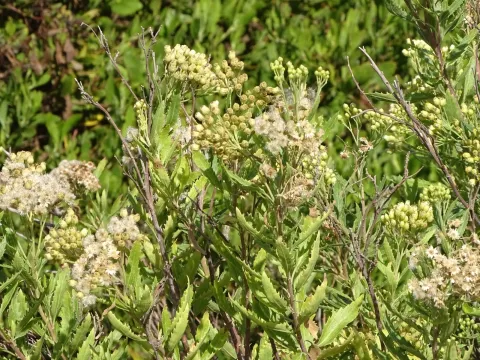
Nidorella
Nidorella
Nidorella is a genus belonging to the Asteraceae family, encompassing various perennial herbs and shrubs native to specific regions of Africa. Propagation is typically achieved through seeds, which are sown in controlled environments during the early spring.
What the section contains


Nidorella
Seeds should be covered with a very light layer of substrate, as light is often required for optimal germination of this species within the botanical group.
Once the seedlings develop their first true leaves, they should be hardened off before being transplanted into the permanent outdoor location after the risk of frost has passed.
The spacing for transplanting should be carefully managed to ensure each plant receives sufficient air circulation, preventing the buildup of humidity around the base.
Success in sowing largely depends on maintaining a steady temperature of around 20 degrees Celsius, which encourages uniform growth of the plant population.
Nidorella thrives in well-drained soil environments where organic matter content is moderate but sufficient to support active growth throughout the season.
It requires full sun exposure to maintain its characteristic morphology and to ensure the development of a healthy and balanced root structure during the establishment phase.
The climate requirements for this culture are centered on moderate temperature ranges, as excessive heat combined with drought can cause physiological stress.
Regular monitoring of soil moisture levels is necessary, particularly in sandy soils that tend to lose water quickly during the peak summer months.
Applying balanced NPK fertilizers in early spring helps stimulate foliage growth and supports the development of healthy floral shoots as the season progresses.
The most common biological threats to Nidorella include fungal pathogens, such as powdery mildew, which often manifest in environments with poor air circulation.
Sucking pests like aphids and spider mites can cause significant damage if left unchecked, often colonizing the underside of leaves and young apical shoots.
To mitigate these threats, integrated pest management strategies are recommended, including the physical removal of heavily infested plant segments.
Proper drainage systems are essential to prevent root rot, which is a major abiotic threat frequently encountered when growing in heavy or poorly draining soils.
Regular sanitation, such as removing debris from the base of the plant, reduces the risk of overwintering pathogens that could endanger the next season's growth.