
Liatris pycnostachya
Liatris pycnostachya Michx.
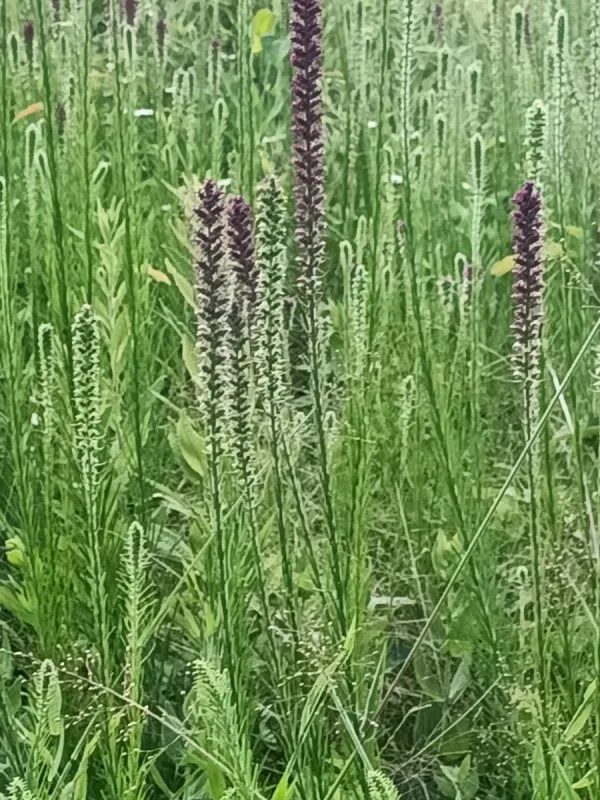
Description
Sowing dates
Liatris pycnostachya, commonly known as the prairie blazing star, is a perennial herbaceous plant belonging to the Asteraceae family. Propagation is primarily done via seeds, which require a cold stratification period of 60 days to break dormancy and ensure high germination rates.
Direct sowing in the field is best performed in the late autumn, allowing natural winter temperatures to stratify the seeds. If planting in the spring, ensure the soil temperature has reached a consistent 10-15 degrees Celsius for optimal emergence.
When starting indoors, sow seeds in trays filled with a well-draining, sterile potting mix. Place the seeds on the surface and press them lightly, as they require light to germinate effectively, maintaining a consistent moisture level.
Vegetative propagation involves dividing mature clumps during the dormant season, either in early spring or late autumn. Each division must contain a healthy segment of the tuberous rootstock and at least one viable growth bud to thrive.
Establishment spacing is critical for healthy development; plants should be set 30 to 45 centimeters apart. Proper spacing prevents overcrowding, improves airflow, and reduces the risk of fungal infections within the dense foliage.
Growing requirements
This species thrives in full sun, which is essential for developing strong, upright spikes and deep flower coloration. In partial shade, the plant tends to lean and may require mechanical staking to remain upright.
Liatris pycnostachya prefers moist, well-draining soils but is surprisingly tolerant of diverse soil types, including clay and sandy loams. However, it is highly sensitive to waterlogged conditions, which can cause crown rot during the winter.
Irrigation should be regular during the first growing season to establish a deep root system. Once mature, the plant exhibits moderate drought tolerance, although prolonged summer dry spells will benefit from supplemental watering.
Fertilization should be handled with caution; the plant naturally adapts to low-nutrient prairie soils. An annual application of balanced, slow-release compost or organic fertilizer in early spring is generally sufficient for vigorous growth.
Hardiness is excellent, with the plant capable of withstanding temperatures well below freezing. In colder climates, leaving the foliage intact over winter provides natural insulation for the rootstock, with cleanup performed in early spring.
Main diseases and pests
Fungal issues, particularly stem and root rot, are the most significant threats, almost always stemming from poor soil drainage. Ensuring a site with excellent permeability is the most effective preventative measure for this crop.
Voles and moles are the primary vertebrate pests, as they feed on the starch-rich tuberous roots throughout the year. Utilizing physical barriers or habitat management strategies is often necessary in areas with high rodent pressure.
Slugs and snails can cause damage to emerging spring shoots. Integrating mulches like crushed gravel or wood ash around the crown can deter these mollusks without the need for extensive chemical pesticide application.
Powdery mildew may occur in late summer if humidity levels remain high and airflow is restricted. Proper plant spacing and selecting resistant cultivars are recommended practices to minimize the impact of this disease.
Regular monitoring of the foliage for aphids is advisable, especially during the early growth stages. If an infestation occurs, horticultural soaps or botanical oils are generally effective in managing the insect population.
Harvesting
The primary agricultural use for Liatris pycnostachya is the cut flower market, valued for its unique, tall, purple spikes. Harvesting should begin when the top third of the florets on the spike begin to open.
Post-harvest handling requires placing stems immediately into clean water with a floral preservative. Proper sanitization of containers is essential to maximize the vase life, which typically ranges from 7 to 14 days.
Seed harvesting is conducted by collecting the dry, mature flower heads once they turn brown. These should be dried in a well-ventilated area before threshing, with the seeds stored in cool, dark conditions until the next planting cycle.
In landscape settings, after the first hard frost, the stalks should be cut back to just above ground level. This practice assists in clean garden maintenance and removes old plant material that could harbor pests over winter.
For floral design purposes, these stems are also excellent for drying. Hanging them upside down in a dark, dry room preserves their color and structural integrity, making them useful for long-lasting decorative arrangements.