
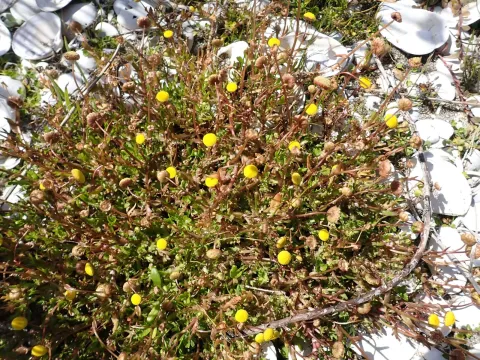
Lancisia
Lancisia
Lancisia belongs to the Orchidaceae family, representing a genus of terrestrial orchids that are highly valued in specialized botanical collections.
What the section contains
Lancisia
Propagation of Lancisia in a horticultural setting is primarily achieved through division of the rhizomes, as seed germination is extremely difficult.
Division should be performed during the post-flowering stage, ensuring that each segment has healthy roots and at least one growth point.
Seed-based propagation is rarely performed outside of laboratory environments due to the complex requirements of orchid seed germination.
Successful establishment of new plants depends heavily on maintaining high atmospheric humidity and sterile growth media during the initial stages.
The culture thrives in a well-draining, loose substrate composed of fine bark, perlite, and high-quality peat moss to ensure optimal aeration.
Lancisia requires bright, indirect light, as direct sunlight can easily damage the delicate leaf tissues of the plant.
Temperature control is essential, with an ideal range between 18 and 24 degrees Celsius, avoiding any extreme temperature fluctuations.
Regular but cautious watering is needed to maintain consistent moisture without allowing the root zone to become waterlogged.
Good ventilation is vital to prevent the accumulation of stagnant air, which can encourage the development of various fungal pathogens.
Fungal diseases, particularly root rots, represent the most significant threat to the health and longevity of Lancisia plants.
Poor water management, specifically overwatering, frequently leads to the decline of the root system and systemic plant decay.
Pests such as spider mites and mealybugs are common, feeding on the plant's sap and reducing its overall vigor and aesthetic value.
Early detection of infestation is crucial, involving frequent inspections of leaf axils and the undersides of leaves.
Integrated pest management strategies, including the use of systemic insecticides and proper cultural practices, help to mitigate these risks.
As Lancisia is strictly a decorative ornamental plant, the concept of harvesting is limited to preparing plants for market distribution.
Plants are assessed for quality based on their general health, foliage condition, and the overall development of the root system.
Proper post-harvest handling includes careful packaging to protect the sensitive aerial parts of the plant during shipping and transport.
Routine maintenance such as removing dead floral spikes is performed to redirect the plant's energy toward vegetative growth.
The final product is typically marketed in specialized pots with tailored substrates, ensuring long-term success for the end consumer.