
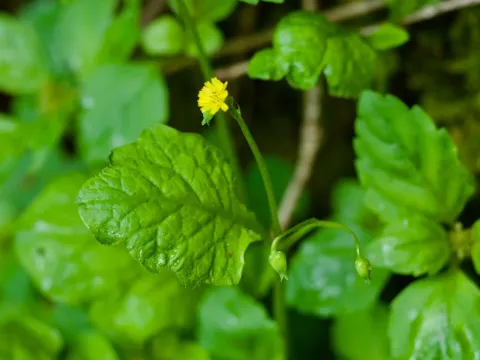
Lapsanastrum
Lapsanastrum
Lapsanastrum is a distinct genus of herbaceous plants belonging to the Asteraceae family. Originally native to East Asia, including Japan and China, these plants are known for their specific morphological traits that differentiate them from the more common Lapsana species.
What the section contains


Lapsanastrum
The cultural requirements for Lapsanastrum involve a preference for well-drained, fertile soil with a slightly acidic to neutral pH. As a plant adapted to forest margins and semi-shaded environments, it performs best when protected from direct, scorching sunlight during the peak of summer.
Soil management for this crop requires a focus on structure, as the roots are sensitive to waterlogging. Incorporating organic matter such as compost helps maintain the necessary moisture retention while ensuring that the soil remains aerated for healthy root development.
Agricultural practices for Lapsanastrum emphasize the importance of spacing and early-stage weeding to prevent resource competition. Maintaining a consistent moisture level during the vegetative phase is critical for achieving optimal biomass production and plant health.
Current хозяйственное use of Lapsanastrum is specialized, often revolving around its potential as an ornamental species or as a subject for botanical research. The resilience and unique biochemical profile of the plant make it an interesting candidate for further agricultural trials in temperate climates.
The primary diseases affecting Lapsanastrum are typically fungal in nature, such as powdery mildew, which can become prevalent in conditions of poor air circulation and high humidity. Proper site selection and row spacing are essential preventive measures against these pathogens.
In terms of pests, the plant is susceptible to common garden insects such as aphids. These pests can weaken the plant by feeding on its sap, particularly during the active growth periods. Integrated pest management strategies, focusing on biological controls, are highly recommended to protect the crop.