
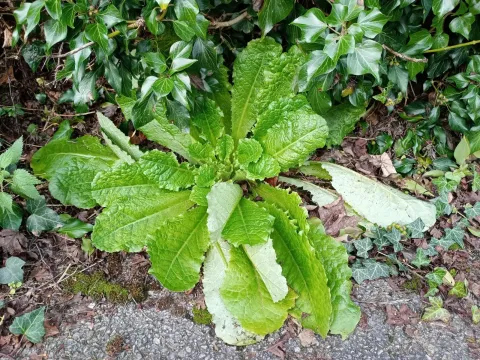
Lagedium
Lagedium
Lagedium, belonging to the genus Lagedium (often classified as a section within the genus Lactuca), is a perennial herbaceous plant of the Asteraceae family. The seeds of this crop are characterized by high germination rates when sown in well-warmed, well-drained soil.
What the section contains
Lagedium
The optimal sowing time in temperate climate regions occurs in early spring, once the threat of night frosts has passed and soil temperatures reach 10–12 degrees Celsius.
Autumn sowing allows seeds to undergo natural stratification, which increases germination energy in the spring. Sowing depth is usually no more than 1–2 centimeters, as small seeds require effective contact with a moist substrate.
In commercial operations, sowing is performed in rows with spacing of up to 45 centimeters, which facilitates subsequent maintenance and mechanical soil cultivation.
Plant density should be managed to eliminate competition for sunlight and nutrients, ensuring uniform development of the leaf rosette.
The crop prefers sunny areas protected from strong winds where there is no stagnant meltwater or rainwater. Lagedium is quite sensitive to soil pH levels, with optimal performance ranging from slightly acidic to neutral values.
The best predecessors for the plant are legumes, which enrich the soil with nitrogen and improve its structure. A key requirement is high soil aeration, which prevents the development of root rots.
The plant possesses moderate drought tolerance, but for the formation of succulent vegetative mass during the active growth phase, regular irrigation is required. In hot summer periods, mulching is recommended to retain moisture.
For intensive cultivation, complex mineral fertilizers with a focus on potassium and phosphorus are applied to strengthen stems and improve plant immunity.
The climatic requirements of Lagedium allow for successful cultivation in regions with moderately warm summers, where the plant demonstrates the ability to withstand short-term temperature fluctuations.
The yield of Lagedium depends directly on the intensity of agronomic practices and the fertility of the soil horizon. With proper care, the plant is capable of forming a significant amount of biomass suitable for further processing.
The primary productivity metric is the weight of the above-ground parts, which grow actively during the vegetation period. Perennial use of the plantation requires annual application of organic fertilizers to maintain fertility.
In commercial plantings, average production figures can vary, and it is important to ensure timely removal of flower stalks if the goal is to obtain leaf mass rather than seed material.
Harvesting is carried out in stages, which allows for an extended use period of the plantation and ensures higher commercial value of the final product.
Maximum productivity is observed in the second and third years of the plant's life, after which site rejuvenation or replanting may be required.
Typical threats for representatives of this genus include fungal diseases such as downy mildew, which occurs under excessive humidity and dense plantings. Cases of infestation by aphids and slugs, which damage young tissues, have also been recorded.
Primary control measures include the use of prophylactic fungicides, as well as maintaining spatial isolation between plantings of different ages.
To prevent the spread of pests, timely weeding is recommended, as weeds can act as intermediate hosts for many insects.
Biological control methods, such as attracting entomophages, show high efficacy in integrated farming systems.
Regular monitoring of crop conditions allows for the early detection and containment of disease outbreaks without the use of aggressive chemicals.
Harvesting is preferably performed in the early morning hours when plants contain maximum moisture, which preserves their commercial appearance and turgor during storage.
Mechanization of the harvesting process is carried out using forage harvesters if the product is intended for feed purposes, or manually for the selection of high-quality raw material.
After cutting, the product must be cooled quickly to slow down transpiration processes and preserve nutrients.
When harvesting for seed, the process is carried out when the pods turn yellow, avoiding cracking and shedding of the material on the ground.
Collected seed material undergoes a mandatory drying procedure in well-ventilated rooms, followed by cleaning to remove impurities and weed debris.