
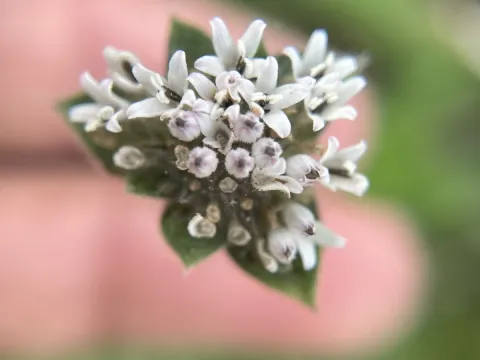
Lagascea
Lagascea
Lagascea (Lagascea mollis) is a herbaceous annual plant belonging to the Asteraceae family. It is known for its soft, velvety foliage and branched structure, which allows it to adapt to various tropical environments effectively.
What the section contains

Lagascea
Originally native to Central and South America, the species has naturalized in several tropical regions worldwide. It is cultivated for its resilience in poor soil conditions and its ability to act as a fast-growing biomass source.
The crop thrives in well-drained, sandy soils with neutral or slightly acidic pH levels. It demonstrates significant tolerance to moisture stress, making it an excellent candidate for regions prone to erratic rainfall patterns during the growing season.
Sunlight is the primary requirement for Lagascea, as it requires full exposure to reach its maximum yield potential. The plant is strictly thermophilic and will suffer significant damage or mortality if exposed to freezing temperatures.
From an agricultural standpoint, Lagascea is utilized both for green manure to enrich soil fertility and for its oil-rich seeds. Its rapid growth rate provides a substantial amount of organic matter in a relatively short timeframe.
Lagascea is susceptible to various pests, with leaf-eating insects being the most common threat in tropical environments. Heavy infestations can lead to significant defoliation, which severely stunts the plant's growth.
Aphids pose a constant risk, particularly during the early vegetative stages. These pests deplete nutrients from the plant tissues, causing stunted development and increasing susceptibility to secondary viral infections.
Root rot is a prevalent disease when fields suffer from inadequate drainage or excessive soil compaction. Ensuring proper field maintenance is crucial for preventing the spread of soil-borne fungi that attack the root system.
Powdery mildew often appears during high humidity, creating a white, fungal coating on the leaves that inhibits photosynthesis. If left untreated, it leads to chlorosis and potential collapse of the plant population.
Integrated pest management, including regular crop scouting and the use of resistant varieties where available, is essential. Maintaining optimal spacing between plants also promotes better aeration and reduces the likelihood of disease outbreaks.