
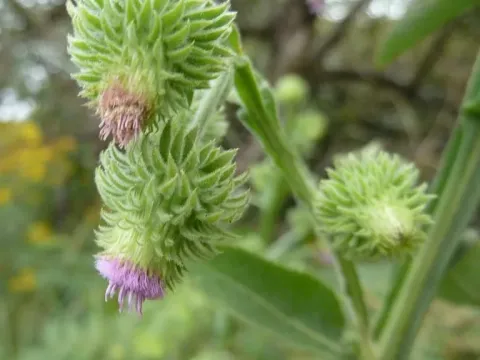
Laggera
Laggera
Sowing Laggera seeds requires careful soil preparation, as the seeds are highly sensitive to planting depth. The optimal time for sowing is during the spring when the soil temperature stabilizes between 15 and 18 degrees Celsius.
What the section contains


Laggera
In regions with temperate climates, it is recommended to start sowing in greenhouses to obtain strong seedlings. This method allows for a shortened vegetation period and ensures uniform emergence before the onset of stable warm weather.
When sowing directly into open fields, it is crucial to follow planting patterns that ensure sufficient space for each plant. Laggera is very demanding regarding light, and overcrowding can lead to a significant decrease in the concentration of bioactive compounds.
Seedbed preparation should be carried out in the autumn, incorporating organic fertilizers to improve soil structure. In the spring, before sowing, the surface is leveled to ensure a fine-crumb structure, providing optimal contact between seeds and the soil.
Regular monitoring of germination and timely thinning are mandatory stages for establishing a healthy crop. With correct sowing, the plant shows vigorous growth within the first month after the sprouts appear.
Laggera belongs to the Asteraceae family and has specific growth requirements, preferring sunny locations protected from strong winds. The crop is highly sensitive to excessive soil moisture, which can trigger root rot diseases.
The best results are achieved on loose, well-drained sandy loam or loam soils with a neutral or slightly acidic pH level. Water stagnation is a critical factor that limits plant development at any stage of vegetation.
The temperature regime for Laggera must be consistently high; the plant does not tolerate sudden cold snaps or frost. The optimal average daily temperature for intensive photosynthesis is between 22 and 25 degrees Celsius.
Agronomic practices include regular weeding and inter-row cultivation, as the plant reacts negatively to competition with weeds during the initial stages of development. Mulching the soil helps maintain the necessary microclimate in the root zone.
Applying mineral fertilizers with an emphasis on potassium promotes stem strengthening and increases resistance to external stress factors. It is important to avoid excess nitrogen, which encourages vegetative growth at the expense of essential oil accumulation.
The yield of Laggera depends directly on the intensity of sunlight and strict adherence to the agronomic cycle. When using intensive cultivation technologies, it is possible to achieve a stable output of biomass per hectare.
The main marketable production consists of the above-ground parts of the plant, which contain essential oils and flavonoids. Harvesting is performed during the mass flowering phase when the concentration of useful substances reaches its peak.
Essential oil yield can vary depending on the specific Laggera species and the climatic conditions of the cultivation region. Modern breeding focuses on increasing the concentration of these secondary metabolites.
Post-harvest processing requires rapid drying in shaded, well-ventilated areas to preserve aromatic and medicinal properties. Improper drying protocols lead to the loss of valuable product components.
Storage of the dried biomass must be carried out in airtight containers to prevent moisture and direct sunlight exposure. This ensures high-quality end products, which are in demand by the pharmaceutical industry.
The primary threat to Laggera crops is posed by pathogenic fungi that develop in conditions of high air and soil humidity. Prevention involves strict adherence to crop rotation and avoiding over-dense plantings.
Pests such as aphids and spider mites can cause significant damage to leaves by sucking juices and reducing the overall vitality of the plants. Regular field inspections are recommended for the early detection of infestation hotspots.
Disease management includes the use of biological agents that are environmentally safe for this crop. The use of synthetic pesticides is limited due to the potential accumulation of toxins in the plant raw material.
Root-knot nematodes can also affect the crop in light soils, necessitating soil disinfection before planting. The use of cover crops as predecessors helps reduce the infection pressure in the field.
An important element of plant protection is phytosanitary control, which helps prevent the spread of viral diseases transmitted by seeds or insect vectors.
Harvesting Laggera must be carried out strictly in dry weather to prevent raw material spoilage and the development of mold fungi. The optimal time of day for harvesting is early morning, after the dew has evaporated.
Cutting the vegetative mass is done at a specific height, leaving part of the stem for potential regrowth in cases of perennial cultivation. Tools must be sharp to avoid plant trauma.
After harvesting, the raw material should be promptly transported to the primary processing facility. Keeping cut plants in the field under direct sunlight for too long leads to the evaporation of a significant portion of valuable essential oils.
Mechanized harvesting requires equipment to be set to a gentle mode to preserve the integrity of leaves and inflorescences. Modern combine harvesters help minimize losses when harvesting large areas.
The final stage of the harvest includes sorting the material, removing foreign impurities, and discarding damaged parts of the plants. Standardization of this process guarantees quality for the chemical and pharmaceutical industries.