
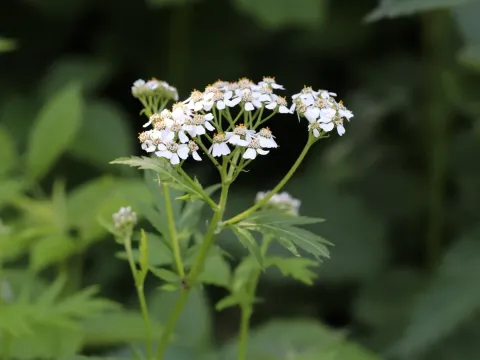
Large-leaved yarrow
Achillea macrophylla
The Large-leaved yarrow (Achillea macrophylla) is a robust perennial herb belonging to the Asteraceae family. It is distinct from common yarrow due to its larger foliage and specific growth architecture, making it an interesting candidate for both pharmacological and horticultural applications.
What the section contains
Large-leaved yarrow
The plant originates from the mountainous regions of Central Europe, typically thriving in alpine meadows. Its adaptation to cool temperatures and high solar radiation defines its biological requirements when grown in agricultural settings.
Achillea macrophylla prefers well-drained, nutrient-rich soils that maintain stable moisture without becoming waterlogged. Ideal conditions include sandy-loam structures with a neutral soil reaction, allowing the extensive root system to anchor firmly.
This crop is highly resilient to temperate climate extremes, showcasing significant frost tolerance throughout the winter months. It requires full sunlight to achieve optimal biomass production and concentration of secondary metabolites, which are essential for its medicinal quality.
Commercial utilization focuses on the extraction of bioactive compounds used in traditional and modern medicine. Additionally, its architectural appeal makes it a popular choice in ornamental landscapes where sustainable, low-maintenance perennials are prioritized.
The primary pathological threats include powdery mildew and other fungal infections favored by poor air circulation. Proper spacing between rows and plants is crucial to minimize humidity buildup within the canopy during wet weather.
Insects like aphids and specialized caterpillars can occasionally attack the foliage. Integrated pest management strategies, focusing on biological controls rather than harsh chemicals, are recommended to maintain the purity of the crop for medicinal purposes.