
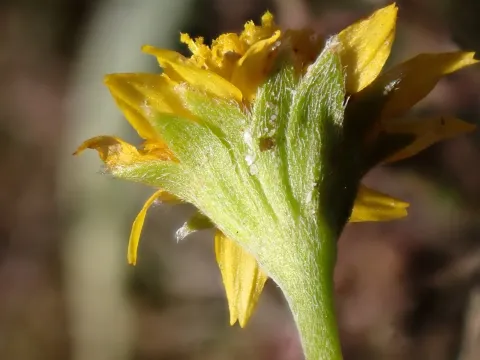
Lasthenia
Lasthenia
Sowing Lasthenia seeds is best performed in early spring when the soil temperature has reached a stable level, typically after the danger of frost has passed.
What the section contains


Lasthenia
The seeds should be sown on the surface of the soil with minimal covering, as they require light to germinate efficiently. Pressing them gently into the moist substrate is sufficient.
Maintaining consistent moisture in the upper soil layer is crucial during the initial stages of germination, which usually occurs within 10 to 14 days under optimal conditions.
For uniform plant distribution, it is recommended to space seeds evenly or thin the seedlings later, allowing about 20–30 cm of space for each plant to flourish.
In regions with milder winters, autumn sowing can be performed, which allows the plants to establish a root system and initiate growth early in the spring season.
Lasthenia thrives in full sun exposure, which is essential for healthy vegetative development and the production of vibrant, abundant inflorescences.
The soil should be well-drained and slightly loamy; the crop does not tolerate waterlogging, which often leads to root rot and other physiological stressors.
Environmental conditions should mimic those of open meadows, with good air circulation being a priority to prevent the accumulation of humidity within the foliage.
While the plant is relatively adaptable, it responds well to moderate fertilization, especially with potassium-rich inputs that support reproductive stages.
Weed management during the early growth phase is vital, as Lasthenia seedlings are somewhat slow to establish and can easily be outcompeted by invasive weeds.
Powdery mildew is a significant threat to Lasthenia, particularly in periods of high humidity and poor airflow, often requiring fungicide applications.
Root pathogens and various types of soil-borne fungi can cause sudden wilting if the drainage is insufficient, stressing the importance of proper site selection.
Aphids represent the most common insect pest, clustering on tender shoot tips and potentially transmitting viral diseases that stunt plant growth.
Spider mites can become problematic during hot and dry spells, necessitating regular inspection of the underside of leaves for early signs of infestation.
Slugs and snails can severely damage young, succulent seedlings, so deploying physical barriers or baits around the garden beds is often necessary.
The primary harvest purpose for this crop is seed collection, which should be performed once the seed heads have turned brown and dried naturally on the stem.
Harvesting must be timed carefully; if left too long, many species in the genus will naturally disperse their seeds, leading to significant yield losses in the field.
After collection, the plant material should be threshed to separate the seeds from the chaff, followed by careful cleaning to ensure high germination rates for future seasons.
Seed storage requires cool, dry, and dark conditions to maintain viability, preventing premature sprouting or degradation of the embryo within the seed coat.
If the culture is grown for ornamental cut flowers, stems should be harvested early in the morning when the blossoms are just beginning to open to ensure maximum vase life.