
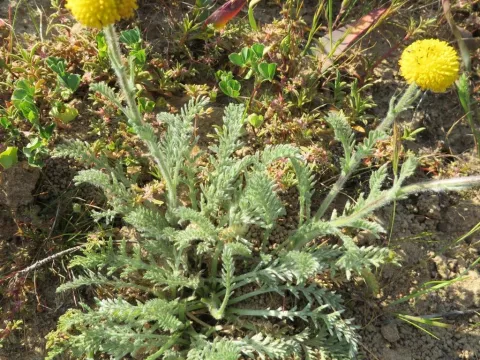
Lasiospermum
Lasiospermum
Lasiospermum is a genus of perennial plants belonging to the Asteraceae family, native primarily to the arid regions of Southern Africa. These plants are scientifically recognized for their xerophytic adaptations, allowing them to thrive in environments where water availability is significantly limited for extended periods of time.
What the section contains

Lasiospermum
Botanically, the species within this genus are characterized by their herbaceous growth habit, often forming basal rosettes. Their leaves are frequently dissected, and the plant surfaces are covered in trichomes, which serve as a crucial defense mechanism against excessive water loss through evaporation. The root architecture is deep and extensive, designed to anchor the plant and tap into moisture reservoirs.
The cultivation requirements for Lasiospermum emphasize the necessity of excellent drainage. These plants are highly susceptible to root rot if grown in heavy, water-retentive soils. Consequently, agricultural practices should focus on providing porous, gritty, or sandy soil structures that allow for rapid water infiltration and sufficient root oxygenation.
Regarding climate, Lasiospermum requires high solar exposure to maintain its metabolic functions and growth cycle. It is best adapted to Mediterranean-type climates or semi-arid conditions where the plants can receive abundant light. They are generally intolerant of severe, prolonged frosts and prefer consistent temperatures that avoid extreme thermal fluctuations during the growing phase.
The current agricultural and economic utility of Lasiospermum is largely concentrated in niche ornamental gardening and xeriscaping projects. Because the plants require minimal irrigation, they serve as excellent candidates for sustainable landscaping in drought-prone areas. Ongoing research also explores the extraction of secondary metabolites, which could provide value for pharmaceutical applications.