
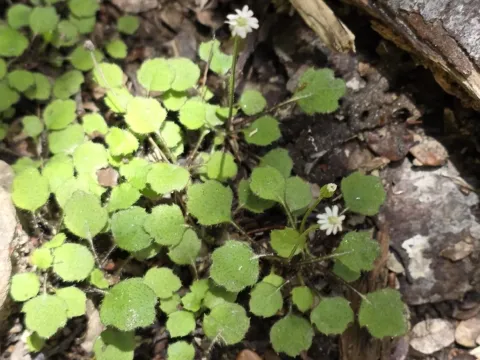
Lagenophora
Lagenophora
Propagation of Lagenophora is typically done via seeds sown in spring, ensuring the soil temperature remains consistently warm, around 18–22 degrees Celsius.
What the section contains

Lagenophora
Seeds are surface-sown in a light potting mix, as they require adequate light to germinate properly. Keeping the substrate moist is essential during the initial weeks of growth.
Transplanting seedlings to their permanent garden location should be scheduled for late spring, once the threat of frost has passed to ensure the young plants can establish roots.
Division is another viable method for established clumps. This is best performed during the cooler months of early spring or autumn to minimize transplant shock.
When selecting a site, it is important to ensure the location has excellent soil structure to prevent water-logging, which can be detrimental to young germinated plants.
Lagenophora is a genus belonging to the Asteraceae family, originating primarily from regions in the Southern Hemisphere, including Australia, New Zealand, and parts of South America.
The plant thrives in well-draining, fertile soils with a neutral pH level. It is widely valued in horticulture for its neat, carpet-forming growth habit.
Regarding light, Lagenophora is quite versatile, showing strong growth in both full sun and partial shade, making it a flexible choice for various landscape designs.
Watering requirements are moderate; the soil should be kept consistently moist but never waterlogged to ensure the health of the foliage and root system.
In regions with harsh winters, providing a layer of mulch around the base of the plant is recommended to insulate the root system from freezing temperatures.
The primary threat to Lagenophora is fungal disease, particularly root rot, which typically occurs when the soil remains too wet for extended periods of time.
Slugs and snails can pose a significant challenge during the rainy season, as they feed on the succulent leaves. Implementing physical barriers is the most effective organic control.
Aphids might occasionally colonize new growth during the spring, requiring manual removal or the application of specialized horticultural soaps to restore plant health.
Powdery mildew can manifest if air circulation is poor, particularly in crowded planting areas. Maintaining spacing between plants is a vital preventative measure.
Regular sanitation, including the removal of dead foliage and surrounding debris, significantly reduces the habitat for pests and the survival of fungal spores.