
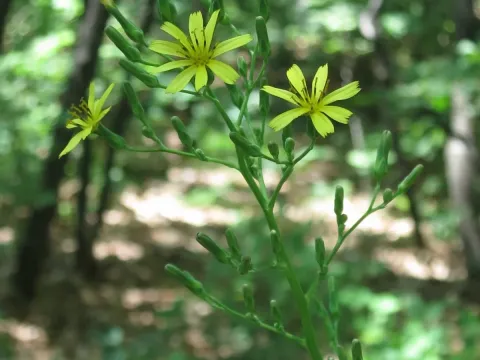
Lactuca raddeana
Lactuca raddeana
Lactuca raddeana is a herbaceous perennial belonging to the Asteraceae family. Known for its specific botanical characteristics, it serves as a niche crop valued for its nutritional properties and unique taste profile.
What the section contains
Lactuca raddeana
Sowing should take place in early spring once the soil temperature consistently reaches 8-10 degrees Celsius. Seeds are sown shallowly, ideally at a depth of 0.5 to 1 centimeter, into nutrient-rich, well-draining soil.
To improve germination rates, a brief period of cold stratification (about two weeks) is highly recommended. This mimics natural environmental conditions and encourages a more uniform sprout development.
Thinning is an essential practice once the seedlings establish their first true leaves. Maintaining a spacing of approximately 20 centimeters between plants ensures sufficient airflow and resource access for each individual.
The site selection should prioritize areas with full sun exposure, although partial shade during extreme midday heat is beneficial for maintaining leaf quality and preventing early bolting.
Consistent moisture levels are critical for Lactuca raddeana. The soil should remain damp but never waterlogged, as excess standing water can lead to root rot and other fungal complications.
The plant thrives in loamy, well-aerated soils with a neutral or slightly acidic pH. Incorporating organic compost before planting provides the necessary nutrients for vigorous vegetative growth throughout the season.
Temperature management is key; the crop prefers cool to moderate climates with optimal growth occurring between 16 and 22 degrees Celsius. High temperatures will trigger the transition to the flowering stage, compromising flavor.
Regular weeding and soil cultivation between rows are necessary to prevent nutrient competition. This practice also aids in maintaining soil structure and water absorption efficiency.
Adequate wind protection is recommended in exposed locations, as strong gusts can cause mechanical damage to the delicate foliage. Low tunnels or surrounding windbreaks can be utilized in colder regions.
Yield efficiency for Lactuca raddeana is primarily dependent on the frequency of harvesting. By harvesting outer leaves regularly, growers can encourage the plant to continue producing new foliage.
Proper harvesting techniques, which avoid damaging the central growth point, are vital to extending the productive life of the plant. A single plant can yield multiple harvests under optimal conditions.
Biomass production is significantly increased by preventing the formation of flower stalks. Removing emerging stalks redirects the plant's energy toward leaf development rather than seed production.
Yields can be maximized by using organic mulching, which helps stabilize soil temperature and moisture levels. Mulch also keeps the foliage clean, reducing the effort needed for post-harvest preparation.
While yields vary based on environmental factors, consistent irrigation and soil enrichment enable high-quality production, making it a sustainable choice for small-scale and specialty growers.
Slugs and snails are the most prominent threats to this crop, particularly in wet weather. Implementing protective barriers or using organic-certified slug pellets can help mitigate damage to the leaves.
Downy mildew and powdery mildew can occur if the canopy becomes too dense or if air circulation is poor. Maintaining adequate spacing and avoiding overhead watering are essential preventative measures.
Aphids occasionally colonize the underside of leaves. Integrated pest management, including the use of neem oil or predatory insects, is preferred over broad-spectrum insecticides to ensure produce safety.
Root rots are often a symptom of poor drainage or over-irrigation. Ensuring a proper drainage system and rotating crops annually will significantly reduce the risk of soil-borne pathogens.
Regular scouting of the plants allows for early detection of issues. Prompt removal of damaged leaves or affected plants helps keep the rest of the crop healthy and productive.
The best time to harvest is during the cool hours of the morning when leaf turgor is highest. This ensures that the greens remain crisp and maintain their quality throughout the supply chain.
Using a sharp, sanitized knife, leaves should be cut near the base, taking care to preserve the crown. Proper technique prevents unnecessary trauma to the plant and encourages faster regrowth.
Immediately after harvest, the greens should be moved to a cool, shaded environment. Rapid cooling is necessary to slow down respiration and prevent wilting after the leaves are severed.
Storage requires a cool environment with high relative humidity. Placing harvested greens in breathable, perforated containers helps maintain freshness while preventing condensation and subsequent decay.
If harvesting for seeds, allow selected plants to complete their lifecycle. Once the seed heads turn brown and begin to dry, they should be harvested and processed in a cool, dry environment.