
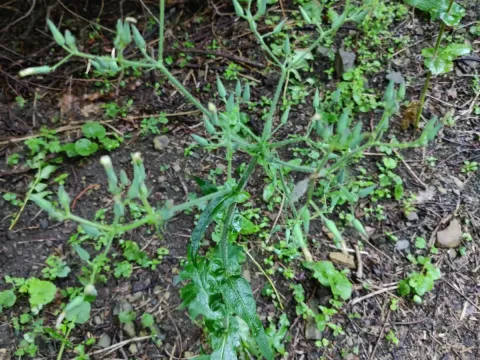
Lactuca hispida
Lactuca hispida
Lactuca hispida, often recognized under the synonym Cephalorrhynchus, is a perennial herbaceous plant belonging to the Asteraceae family. It is distinct due to its unique growth habit and specialized root structures that support its survival in diverse ecological niches.
What the section contains
Lactuca hispida
The plant thrives in well-drained, porous soils that provide adequate aeration for its root system. In its native habitats, it is frequently observed in steppe regions and rocky slopes, indicating a high level of resilience toward soils with limited nutrient content.
Regarding light requirements, this species requires full sun exposure to maintain optimal physiological processes. Adequate light intensity is essential for the healthy development of foliage and the successful production of seeds during the flowering season.
Environmental requirements include a need for climates with distinct seasons, as the plant is naturally adapted to cold winters and warm, dry summers. Water management is critical; the soil should not be allowed to become waterlogged, as this significantly increases the risk of root rot diseases.
Agricultural use of this species is largely focused on its botanical and potential pharmacological significance. Research into its chemical composition continues, as the plant is considered a promising source of natural compounds that can be utilized in various health-related applications.
The primary pathogenic threats involve fungal infections such as powdery mildew, which often manifest in crowded planting conditions. To mitigate these risks, growers should ensure proper spacing to facilitate air circulation and reduce humidity around the plant canopy.
Pest management focuses on controlling aphids and soil-dwelling larvae that may disturb root development. Integrated pest management, involving regular field scouting and the maintenance of healthy soil conditions, is the most effective approach for protecting the crop throughout the season.