
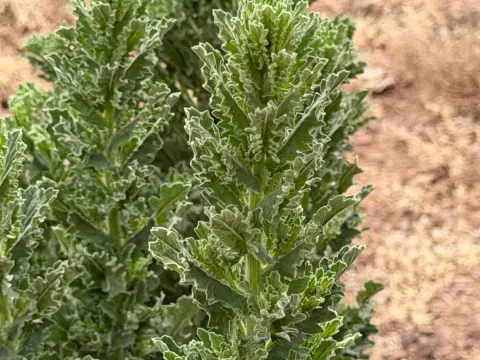
Laennecia
Laennecia
Laennecia is a genus of plants within the Asteraceae family, typically acting as annuals or biennials. Germination generally occurs in early spring, triggered by rising temperatures and sufficient moisture in the upper soil layers.
What the section contains
Laennecia
Seedlings emerge rapidly once soil temperatures reach the threshold of 8-10 degrees Celsius. In agricultural fields, seeds are easily dispersed by wind, allowing for fast colonization of open patches of soil during the early crop development phase.
The seeds have a relatively high dormancy capacity, which allows them to persist in the soil seed bank for several years. Successful control strategies usually focus on targeting these seedlings before they establish a deep taproot.
During the early growth stages, the plant focuses on developing a basal rosette of leaves. This morphological structure provides the plant with an advantage in resource competition, as it covers the ground efficiently.
Tillage timing is critical for managing this genus. Cultivation practices should be executed early in the season to prevent the plants from bolting, as once the reproductive phase begins, the plants become significantly harder to eliminate.
Laennecia plants are highly adaptable to diverse soil types, ranging from nutrient-poor sandy soils to structured loams. They thrive in environments where there is minimal competition from denser canopy vegetation.
Sunlight exposure is a primary requirement for the healthy development of Laennecia. The plant is heliophilic and exhibits stunted growth when shaded by taller crop species, which is often used as a biological control strategy.
Environmental moisture plays a role in the plant's distribution. While it is relatively drought-tolerant, it does not perform well in areas prone to waterlogging, as the root system requires adequate aeration to function optimally.
Temperature range tolerance is broad, but the plants prefer mild temperate climates for their peak growth season. They are sensitive to extreme frost in the seedling stage, which can limit their survival in certain geographic regions.
Standard agricultural practices to manage the plant include systematic soil cultivation and the use of integrated pest management. Crop rotation is essential to disrupt the reproductive cycle of Laennecia and maintain field sanitation.
Laennecia species are susceptible to several common fungal pathogens that impact the broader Asteraceae family. Powdery mildew is frequently observed during periods of high humidity and warm temperatures, affecting leaf surface health.
Pests such as aphids and spider mites are common threats to the vitality of these plants. By feeding on the phloem, these insects can cause significant yellowing and reduce the overall vigor of the plant during the growing season.
Root rot pathogens, particularly those thriving in waterlogged or compacted soils, can lead to the rapid decline of Laennecia populations. These fungi compromise the root system, ultimately causing the plant to wilt and die.
Rust diseases characterized by the formation of spores on the underside of leaves can also affect the plant's photosynthetic capacity. These infections often spread rapidly in dense populations, leading to localized damage.
Effective management against these threats involves ensuring good field hygiene and proper water management. These practices not only control the weed species directly but also maintain the health and competitiveness of the main crop.