
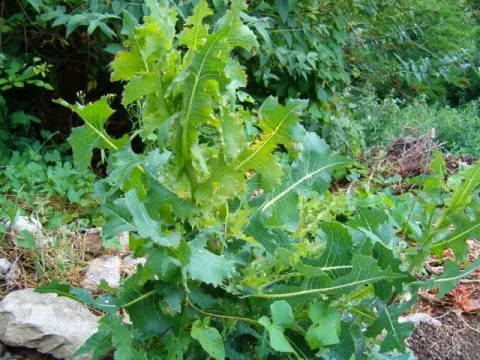
Lactuca dregeana
Lactuca dregeana
Sowing Lactuca dregeana is typically performed directly into the soil or through seed-starting trays to ensure consistent plant establishment.
What the section contains
Lactuca dregeana
The optimal time for sowing is during the spring when soil temperatures stabilize between 10 and 15 degrees Celsius for rapid germination.
Seeds should be lightly covered with soil or vermiculite, as light exposure is often required to trigger the metabolic activity of the embryo.
When starting indoors, seedlings are ready for transplanting once they develop several true leaves, usually 3 to 4 weeks after initial sowing.
Spacing plants approximately 30 to 40 centimeters apart ensures adequate airflow, which is critical for reducing humidity-related foliage diseases.
Lactuca dregeana belongs to the Asteraceae family and thrives in well-draining, nutrient-rich soils with a near-neutral pH level.
As a sun-loving species, it requires full exposure to sunlight, although light shade during the peak of summer can prevent premature bolting.
Water management is essential, as the crop requires consistent soil moisture to produce succulent leaves without risking root rot from overwatering.
Temperatures between 15 and 22 degrees Celsius are ideal for vegetative growth, as excessive heat triggers the reproductive flowering phase.
Native to Southern Africa, this species displays significant hardiness and adaptation to various light conditions and periods of moisture stress.
The total yield is heavily influenced by the soil quality, consistent nitrogen supply, and the prevention of competition from invasive weeds.
Achieving high yields requires a focus on soil fertility through the application of compost or balanced liquid fertilizers during the growth phase.
Productivity is maximized when plants are harvested just before the development of a flower stalk, ensuring the highest concentration of flavor.
Management of the irrigation schedule helps maintain the crisp texture of the leaves, which is a primary quality metric for consumers.
- Regular weeding to minimize resource competition.
- Maintaining soil structure through periodic surface cultivation.
- Protecting seedlings from temperature fluctuations during early stages.
The primary threats to this crop include fungal infections, such as downy mildew, which thrive in environments with poor air circulation.
Insect pests including aphids and slugs can damage the foliage significantly, necessitating vigilance during the peak growth months of the season.
Integrated pest management strategies are recommended, focusing on physical barriers or beneficial insects rather than heavy chemical applications.
Crop rotation is an indispensable practice to break the life cycle of soil-borne pathogens that commonly affect Asteraceae crops.
Regular visual inspections of the under-surface of leaves are necessary to identify early symptoms of pest infestation or nutrient deficiencies.
Harvesting is best performed during the early morning hours, as this is when the leaves have the highest turgor pressure and crispness.
Both whole-head harvesting and individual leaf plucking are viable methods, depending on the specific culinary market requirements.
Prompt cooling after harvesting is essential to preserve the nutritional value and market appearance of the harvested green leafy vegetables.
Post-harvest handling must include gentle transport in ventilated containers to prevent wilting and degradation of the leaf tissue quality.
Storage should ideally occur at low temperatures, around 2–4 degrees Celsius, to extend the shelf life and freshness of the final product.