
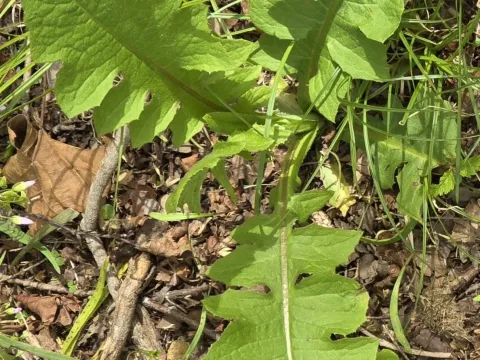
Lactuca biennis
Lactuca biennis
Lactuca biennis is a biennial species that typically completes its life cycle over two growing seasons. In its natural habitat, seeds germinate after overwintering, requiring cold stratification to break dormancy.
What the section contains
Lactuca biennis
For agricultural cultivation, sowing is best performed in early spring once the soil temperature is consistently above 5 degrees Celsius. Seeds should be sown shallowly, as they require light to stimulate successful germination.
Pre-soaking seeds in growth-promoting solutions can significantly improve germination rates and uniformity in field settings. This practice is particularly beneficial when attempting to maximize yield from a single plot.
Proper spacing is essential to accommodate the plant's mature rosette and flowering stalk. A row spacing of 40 to 50 centimeters is recommended to ensure adequate airflow and facilitate mechanical weeding.
Starting plants in greenhouses or seedling trays is an effective strategy for shorter growing seasons. This method provides a head start and protects vulnerable young seedlings from early-season weather fluctuations.
This species thrives in well-drained, fertile soil with a neutral to slightly acidic pH. Incorporating organic matter during soil preparation enhances moisture retention and nutrient availability for the plant.
Sunlight exposure is a critical factor for development; while it tolerates partial shade, full sun promotes the most vigorous growth. Excessive heat and light, however, may trigger early bolting, which reduces the vegetative period.
Optimal growth occurs at temperatures ranging between 15 and 22 degrees Celsius. Lactuca biennis is known for its resilience to cool weather, making it suitable for regions with variable spring and autumn temperatures.
Consistent moisture is required throughout the growing season to prevent stress. Drip irrigation systems are highly efficient for maintaining stable soil moisture levels without wetting the foliage excessively.
Fertilization with balanced nitrogen-based compounds during the initial vegetative stage supports robust leaf development. Phosphorus and potassium supplements can be applied later to encourage overall plant health.
Fungal diseases, particularly downy mildew, pose the most significant threat to plant health, especially in humid and stagnant air conditions. Proper row spacing and thinning are vital preventive measures.
Common pests such as aphids and leaf-chewing caterpillars can cause substantial damage if left unmanaged. Regular monitoring of the underside of leaves is recommended for early detection of pest activity.
Root rot caused by excess soil moisture can lead to rapid plant decay. Improving soil structure and ensuring proper drainage are the most effective strategies for mitigating these pathogen-related risks.
Integrated Pest Management (IPM) practices, such as encouraging beneficial predatory insects, should be prioritized over broad-spectrum chemical interventions to protect the surrounding ecosystem.
Weed management via mulch application serves a dual purpose: suppressing invasive weeds and maintaining soil temperature stability. This helps reduce environmental stress and susceptibility to opportunistic pathogens.