
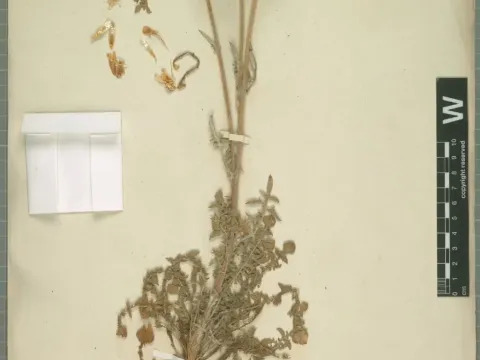
Laconian cornflower
Centaurea laconica
The Laconian cornflower (Centaurea laconica) is a perennial herbaceous plant belonging to the Asteraceae family. Seeds are typically sown in the spring once the soil temperature consistently reaches 10–12 degrees Celsius.
What the section contains
Laconian cornflower
Autumn sowing is also an option, which allows the seeds to undergo natural stratification and ensures earlier germination during the following spring season. Seedlings can be started indoors in trays during March.
Seeds should be planted at a shallow depth of 0.5 to 1 centimeter. Proper soil contact is essential for moisture uptake, but burying the seeds too deeply can hinder their emergence through the soil surface.
Once seedlings emerge, thinning is required to maintain a spacing of 30–40 centimeters between individual plants. This spatial management is crucial for proper airflow and root system development.
Using a light, well-draining potting mix is recommended for starting seeds to ensure that the delicate roots are not suffocated by heavy, water-saturated materials during the initial growth phase.
This crop thrives in sunny, open locations, as it requires high light intensity for optimal development. Shade leads to leggy stems and poor flower production, which diminishes the plant's aesthetic value.
The soil must be light, porous, and preferably neutral or slightly alkaline. Poorly drained, clay-heavy soils are highly detrimental and often lead to root rot in this drought-tolerant species.
Watering should be managed carefully, providing moisture only during periods of severe drought. The species is adapted to Mediterranean conditions and does not tolerate high soil moisture levels for extended periods.
While the plant does not require high soil fertility, supplemental application of phosphorus and potassium during the bud formation phase can significantly enhance the quality and longevity of the flowers.
Laconian cornflower is relatively hardy and can withstand moderate frost. In regions with harsh winters, a light mulch layer can be applied to protect the root zone from extreme temperature fluctuations.
Powdery mildew represents the primary threat to this crop, especially in environments with high humidity or poor air circulation. Proper spacing is the most effective preventative measure against this fungus.
Aphids can frequently attack young stems and buds, sapping the plant's vitality. Regular monitoring and the application of insecticidal soaps or systemic pesticides are standard control practices.
Spider mites may become problematic during hot, dry summer months. Maintaining adequate plant hydration and ensuring the surrounding area is free of weeds helps reduce the risk of infestation.
Root rot, caused by overwatering or compacted soil, remains the most significant risk for established plants. Ensuring excellent drainage is the best defense against these lethal soil-borne pathogens.
Infected plant tissues should be removed and destroyed immediately to prevent the spread of pests or fungal spores. Keeping the garden area clean and tidy is essential for overall plant health.
The harvest of Laconian cornflower for decorative purposes involves cutting the flower stems when the buds are starting to open but are not yet fully expanded. This maximizes their longevity in bouquets.
For seed production, the harvest should occur only after the seed heads have fully matured and turned brown. Timing is critical to prevent the natural dispersal of seeds by wind.
When cutting flowers, using sharp, sterilized shears is necessary to create clean wounds that heal quickly. Stems should be placed in clean water immediately after cutting to maintain their turgor.
Collected seed heads should be air-dried in a well-ventilated, shaded area before the seeds are threshed and cleaned. Properly stored seeds should be kept in paper envelopes in a cool, dry place.
Deadheading spent flowers is a recommended practice to maintain the plant's tidy appearance and encourage a second flush of blooms, effectively extending the decorative season of the crop.