
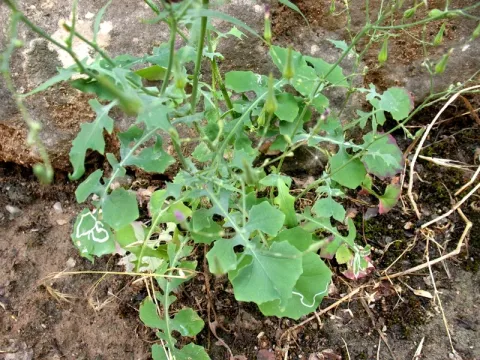
Dissected lettuce
Lactuca dissecta
Sowing of Lactuca dissecta should begin in early spring once soil temperatures reach 8-10 degrees Celsius. This crop thrives when germinated in cool, moderate conditions, allowing for an early harvest of leafy greens.
What the section contains
Dissected lettuce
For commercial production, staggered sowing every 14-20 days is recommended. This practice ensures a continuous supply of fresh, high-quality produce throughout the entire growing season for the market.
Seed depth is critical and should not exceed 1.5 centimeters, as the seeds are sensitive to deep burial. Proper seed-to-soil contact and consistent surface moisture are essential for uniform germination across the field.
Row spacing should be maintained at 20-30 centimeters to allow for adequate air circulation. Preventing overcrowding is vital, as dense plantings often lead to etiolated stems and increased susceptibility to fungal diseases.
Transplanting can also be utilized, with seedlings prepared in trays for 25-30 days before moving them outdoors. This method helps protect young plants from environmental stress and ensures faster establishment in the main field.
As a member of the Asteraceae family, Lactuca dissecta requires specific environmental conditions to thrive. It performs best in sunny locations where light exposure promotes robust development of the leafy rosette.
The ideal temperature range for growth is 15-20 degrees Celsius. If temperatures exceed 25 degrees, the plants will likely bolt early, which negatively affects the flavor and texture of the leaves, rendering them bitter.
The soil should be fertile, well-draining, and have a neutral or slightly acidic pH (6.0-7.0). Optimal soil structure is crucial for root development and nutrient uptake in this leafy crop.
Consistent moisture management is necessary throughout the growing period. Water deficiency triggers the production of latex compounds that cause bitterness, significantly reducing the market value of the harvested crop.
Moderate nitrogen fertilization supports vigorous growth, while adequate phosphorus and potassium levels contribute to overall plant health. Avoiding excessive nitrate accumulation is essential for food safety and quality standards.
The yield of dissected lettuce typically ranges from 2 to 4 kilograms per square meter, depending on the intensity of the farming system. Precise management of soil nutrients and irrigation is key to maximizing productivity.
High yields are achievable when the plant is protected from thermal stress during peak summer months. Maintaining a stable microclimate is the most effective way to ensure high-quality, heavy rosettes at harvest time.
Optimizing plant density is a major factor in determining total output. A well-calculated spacing strategy allows individual plants to utilize resources efficiently while minimizing the competition for light and soil nutrients.
The use of tunnel covers or shade cloth can increase yield by stabilizing the environment. These tools provide physical protection against wind and heavy rain, preserving the integrity and shelf life of the foliage.
Proper weed control through inter-row cultivation is necessary to maintain a high yield. Keeping the field free from weeds ensures that the crop has access to all available soil moisture and essential minerals.
Fungal pathogens such as downy mildew and various rots are the most common threats to crop health. Effective disease management includes rotating crops and ensuring optimal spacing to prevent excess humidity.
Slugs and snails can cause significant damage to young plants, often destroying entire patches overnight. Physical barriers and regular field scouting are necessary to mitigate the impact of these common pests.
Aphids pose a threat by feeding on the sap of tender leaves and spreading viral diseases. The use of biological controls or organic insecticides is recommended to manage these insects without harming beneficial fauna.
Tipburn is a common physiological disorder often caused by irregular irrigation or rapid temperature shifts. Consistent watering practices are the most effective way to prevent this condition from affecting crop aesthetics.
Post-harvest sanitation is essential for maintaining a clean growing area. Removing all plant debris after the final harvest helps break the life cycles of local pests and reduces the pathogen load for the following season.