
Dioscorides hawkweed
Crepis dioscoridis
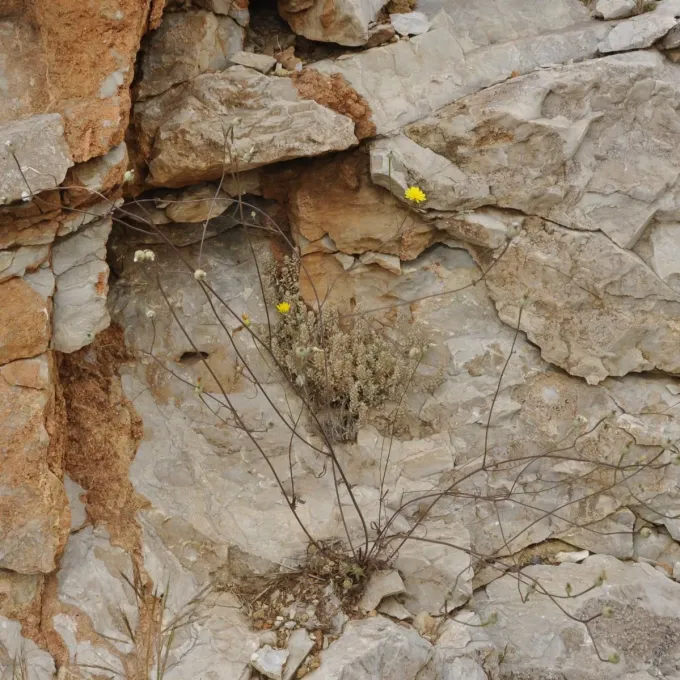
Description
Sowing dates
Dioscorides hawkweed, a member of the Asteraceae family, is an annual herb that requires specific conditions for optimal germination. Seeds are typically sown in early spring when the soil temperature consistently reaches 5 to 8 degrees Celsius.
Proper sowing depth is crucial for this species, as it should be planted no deeper than 1-2 centimeters. This ensures that the small seeds maintain sufficient energy reserves to break through the soil surface effectively.
The standard row spacing for this crop is 15-20 centimeters, which provides adequate space for plant development while maximizing the utility of the available field area. Uniform distribution of seeds is essential for consistent growth across the field.
Soil moisture must be maintained shortly after sowing to prevent desiccation of the shallow-planted seeds. Rolling the soil surface after planting can significantly improve the success rate of germination by increasing soil-to-seed contact.
Early-season management includes monitoring for weed pressure. Since the crop is relatively slow to establish initially, keeping the inter-row spaces clear is vital for the health and vigor of the young plants.
Growing requirements
This species thrives in well-drained, fertile soil with a neutral to slightly acidic pH. It performs poorly in heavy clay or waterlogged areas, as such conditions promote root decay and hinder the plant's natural growth cycle.
Sunlight is a primary requirement for the development of Dioscorides hawkweed. It prefers open, sunny locations where it can maximize photosynthetic activity, resulting in more robust foliage and better overall biomass production.
Temperature fluctuations are generally tolerated, though the plant shows optimal growth in temperate climates with daytime averages of 18-22 degrees Celsius. Extreme heat may cause the plant to bolt prematurely, shifting its energy from vegetative growth to seed production.
Aeration of the soil is beneficial for root respiration. Regular cultivation or light hoeing between rows can improve soil structure and water infiltration, which are critical during periods of rapid vegetative expansion.
Fertilization should be handled with care, focusing on moderate nitrogen inputs to support leaf growth. Excessive fertilization can lead to overly succulent stems that may become susceptible to lodging or physical breakage during high winds.
Main diseases and pests
The crop is vulnerable to various fungal pathogens, with powdery mildew being the most frequent issue. High humidity and poor air circulation in dense plantings are the primary environmental triggers for this disease.
Insect pests, including aphids, frequently feed on the tender young leaves, which can stunt plant growth and reduce the overall yield of the forage. Early intervention is often required to prevent massive population outbreaks.
- Monitor for signs of chewing insects on leaves.
- Inspect the underside of leaves for aphids and mites.
- Check stems for evidence of borer infestations.
Integrated Pest Management (IPM) strategies are highly recommended to control these threats. This includes using resistant varieties when available and maintaining field hygiene to prevent the buildup of pest populations.
Biological controls, such as beneficial insect predators, can be effectively employed to manage pest levels. Chemical interventions should only be considered as a secondary measure and applied in strict accordance with safety guidelines.
Harvesting
The harvest phase depends heavily on the intended use of the crop, whether for forage or seed multiplication. For forage, the crop is usually cut just before full flowering to maximize nutritional value and digestibility.
Mechanical harvesting equipment should be calibrated to avoid contamination with soil or unwanted weed species. Timely harvesting ensures that the plant does not become overly lignified, which would significantly lower its quality.
When harvesting for seeds, it is necessary to wait until the seed heads are sufficiently mature. This is often indicated by the color change of the involucral bracts and the ease with which seeds can be detached from the receptacle.
Post-harvest handling requires quick drying of the collected material to prevent spoilage from moisture buildup. Adequate ventilation in the storage area is essential to maintain the viability and health of the seeds or harvested mass.
Field cleaning after the harvest helps manage any residual biomass and prevents the accidental dissemination of seeds across the field, which could impact the rotation plan for the following agricultural season.