
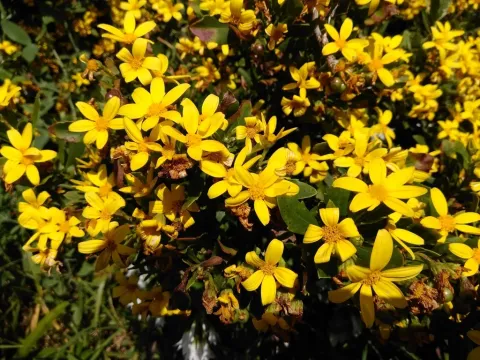
Dimorphotheca
Osteospermum L. x Dimorphotheca Vaill. ex Moench
Dimorphotheca belongs to the Asteraceae family and is an annual crop highly valued for its vibrant daisy-like flowers. Seeds should be sown indoors in late March or April using biodegradable pots, as the plant possesses a sensitive root system that dislikes disturbance during transplanting.
What the section contains

Dimorphotheca
In regions with mild climates, direct sowing into the open ground is possible once the risk of frost has completely passed. The seeds require a well-warmed soil, ideally reaching temperatures of around 18 degrees Celsius, to ensure rapid and uniform germination.
When starting seeds, sow them shallowly, covering them with a thin layer of fine substrate. Germination usually takes about one to two weeks, and providing adequate light is essential for seedlings to prevent them from becoming leggy and weak.
Transplanting hardened-off seedlings should be done with care, keeping the root ball intact. Spacing is crucial for development, with plants typically placed 20 to 30 centimeters apart to allow for proper airflow and lateral growth.
Maintaining consistent moisture during the initial stage is important, but once the plants are established, they become significantly more resilient. Early thinning of direct-sown seedlings may be required to achieve the desired density of the floral display.
Dimorphotheca is an extremely light-loving plant that thrives in full sun. It requires a location with maximum exposure to direct sunlight, as even partial shade can lead to poor flowering and weak stem structure, detracting from its ornamental value.
The ideal soil for this crop is light, sandy, and porous. Excellent drainage is non-negotiable; heavy soils that retain too much moisture will inevitably lead to root rot and the loss of the plant population, especially in cooler or rainy weather.
This species is highly drought-tolerant and performs best when allowed to dry out between waterings. Excessive watering is the most common mistake made in the cultivation of African daisies and should be strictly avoided to maintain plant health.
Soil fertility requirements are moderate; the plant is well-adapted to poorer soils. Excessive nitrogen fertilization should be avoided, as it encourages dense vegetative growth at the expense of flower production, which is the primary decorative feature.
Optimal temperatures for active growth are between 20 and 25 degrees Celsius. While the plant can handle some fluctuations, extreme cold will hinder development and significantly reduce the duration and quality of the blooming season.
The primary threats to Dimorphotheca are fungal diseases, particularly gray mold and root rot, which are triggered by waterlogged soil conditions. Ensuring a well-drained site is the best cultural practice for preventing these devastating infections.
Powdery mildew can occur in dense plantings where airflow is restricted. To manage this, ensure appropriate spacing between plants and avoid overhead irrigation, which keeps the leaf surface moist and promotes the spread of fungal spores.
Aphids are the most significant insect pests, often attacking the tender new buds and shoots. Early detection is key; inspect the undersides of leaves regularly and use insecticidal soap or appropriate garden treatments if a heavy infestation is observed.
Spider mites may become a problem during periods of intense heat and low humidity. If fine webbing is noticed on the plants, it indicates the presence of these pests, requiring prompt intervention with miticides to prevent foliage damage.
- Improve soil drainage to prevent fungal infections.
- Monitor for aphid colonies on flower buds regularly.
- Avoid over-fertilizing with nitrogen-based products.
- Ensure sufficient sunlight exposure to maintain vigor.