
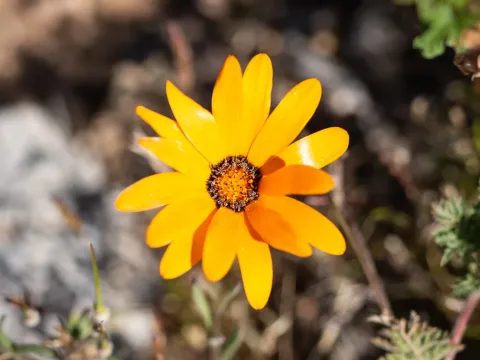
Dimorphotheca
Dimorphotheca
Dimorphotheca belongs to the Asteraceae family and is commonly known as the Cape Marigold or African Daisy. It is a popular ornamental plant valued for its vibrant daisy-like flowers that close in the absence of direct sunlight.
What the section contains


Dimorphotheca
For seed propagation, sowing should begin in late March or April using a seed tray with well-draining soil. Seeds should be lightly covered with a thin layer of soil and kept at a temperature conducive to germination.
Direct outdoor sowing is recommended only after the risk of frost has passed, typically in late spring. The soil should be well-prepared, loose, and crumbly to ensure the small seedlings have the best possible start.
Space the seeds about 20–25 cm apart to ensure each plant has sufficient area to develop its root system. Since Dimorphotheca does not handle transplanting well, direct sowing is often preferred by experienced gardeners.
Thinning out excess seedlings is a critical maintenance step to ensure that the strongest plants get enough resources to thrive. This practice also promotes better airflow, which is vital for preventing common foliage diseases.
As a plant native to South Africa, Dimorphotheca is highly adapted to full sun and warm conditions. It requires at least six to eight hours of direct sunlight per day to maintain healthy growth and flower production.
Soil requirements are relatively specific; the plant demands excellent drainage. Sandy or stony soils are preferred, as they mimic the plant’s natural habitat and prevent the roots from sitting in excessive moisture.
Watering should be balanced. While the plant can tolerate short periods of drought, consistent moisture during the bloom phase is necessary. However, gardeners must avoid overwatering, as root rot is a common outcome.
Fertilization with a balanced, water-soluble fertilizer applied every few weeks can significantly enhance blooming density. Over-fertilizing with nitrogen should be avoided to prevent excessive leafy growth at the expense of flowers.
Temperature management is key in cooler climates. Dimorphotheca thrives in warm, dry summers and will struggle in humid, stagnant air. Ensuring good ventilation between plants is crucial for their physiological well-being.
The most significant threat to Dimorphotheca is fungal disease, particularly gray mold, which occurs when humidity levels are too high. Good site selection and proper spacing are the primary preventative measures.
Pest pressure from aphids can be significant during the peak growing season. These insects congregate on the tender stems and under the leaves, draining plant vitality. Early intervention with insecticidal soap is recommended.
Spider mites can also become problematic during hot, dry weather spells. They cause foliage discoloration and can lead to plant decline if not addressed promptly with regular moisture or appropriate miticides.
Root rot is almost exclusively a result of poor drainage or overwatering. Once established, it is difficult to treat, making preventative soil management the most important aspect of protecting the culture from mortality.
Regular monitoring of the garden bed is essential for long-term success. Removing faded blooms not only improves the aesthetic appearance but also prevents the plant from wasting energy on seed production, allowing for a longer flowering season.