
Didelta
Didelta
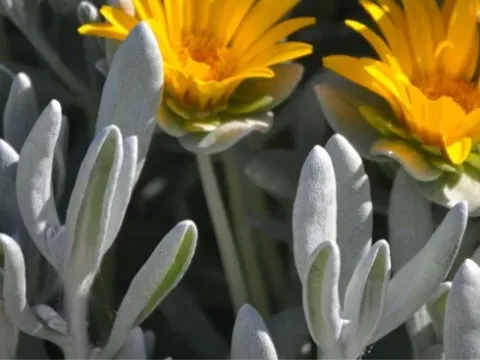
Didelta is a genus of flowering plants belonging to the Asteraceae family. Native primarily to the arid regions of Southern Africa, these plants have evolved unique biological mechanisms to survive in desert and semi-desert environments.
What the section contains


Didelta
These plants are classified as drought-tolerant or xerophytic, making them ideal for gardens in warm, dry climates. They thrive in full sun and require significant light exposure to maintain their compact growth habit and vibrant foliage.
Soil conditions are the most critical aspect of Didelta cultivation. They strictly require well-draining, sandy, or rocky soil. Any medium that retains moisture for extended periods will likely lead to root decay and plant failure.
When cultivating Didelta, irrigation should be kept to a minimum. Once established, the plants are highly self-sufficient. In pot culture, allow the substrate to dry out completely between waterings to mimic their natural habitat.
Propagation is generally performed via seeds planted in a loose, aerated medium. Germination is successful when soil temperatures are stable, and the seedlings are provided with adequate light without intense heat stress.
The primary threat to Didelta health is overwatering, which facilitates the growth of pathogenic fungi. Root rot is the most common cause of mortality in cultivated specimens, often triggered by poorly draining soil or excessive rainfall.
Pests such as aphids and spider mites can occasionally infest the plants, particularly when they are kept in poorly ventilated indoor conditions. Integrated pest management, focusing on airflow and cleanliness, is the best strategy.
Powdery mildew may manifest as a white film on the leaves if the ambient humidity becomes too high or if temperature fluctuations are extreme. This disease can weaken the plant and reduce its aesthetic value significantly.
Mechanical damage to the succulent leaves and stems can provide entry points for secondary infections. Handling the plants with care is essential, especially during repotting or routine maintenance procedures.
To ensure long-term health, growers should monitor the base of the plant for signs of discoloration. Timely removal of affected parts and adjustment of the watering schedule can often save the plant if caught early enough.