
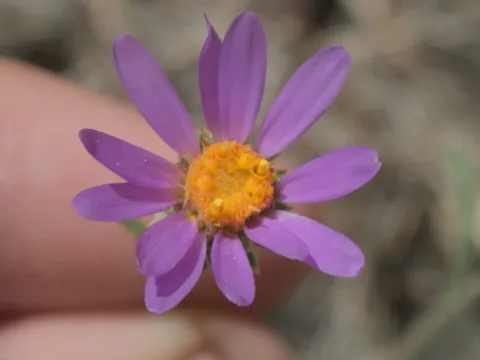
Dieteria
Dieteria
Dieteria is a genus of flowering plants belonging to the Asteraceae family. These plants are closely related to the genus Aster and are characterized by their resilience in harsh, open environments throughout Western North America.
What the section contains


Dieteria
The native habitat of Dieteria species consists of prairies, rocky slopes, and arid desert regions. They have adapted over time to survive in nutrient-poor soils that offer excellent drainage, which is a critical requirement for their successful growth in garden settings.
Regarding climate, these plants thrive in full sun and are highly drought-tolerant. They are well-suited for regions with low annual rainfall and intense solar exposure, where they exhibit robust growth and consistent flowering cycles.
The botanical structure of Dieteria includes sturdy, often hairy stems and leaves arranged along the shoot. The inflorescences are distinct flower heads that serve as essential food sources for native bees, butterflies, and other essential pollinators in their native ecosystems.
In modern usage, Dieteria is valued in horticulture for xeriscaping and sustainable gardening projects. Its ability to maintain beauty without excessive supplemental irrigation makes it a preferred choice for gardeners focused on water conservation and ecological restoration.
The most significant threat to Dieteria is root rot, which typically occurs when the soil remains waterlogged for extended periods. Excessive moisture compromises the root structure, making the plant highly susceptible to fungal infections.
Powdery mildew represents a common pathological challenge, especially when there is poor air circulation between the plants. This condition manifests as a dusty white coating on leaves, which reduces the plant's overall vigor.
Aphid infestations are a typical pest issue for these plants. By feeding on the tender sap of growing tips and flower buds, aphids cause structural deformities and can introduce secondary viral pathogens into the plant tissues.
Spider mites can also become a problem during periods of extreme heat and humidity deficits. These tiny pests cause yellowing and dry spots on foliage, significantly impacting the aesthetic and physiological health of the plant.
Integrated pest management strategies are recommended, focusing on maintaining dry, well-ventilated conditions and using targeted horticultural soaps when pest populations cross economic thresholds. Early detection remains the most effective control method.