
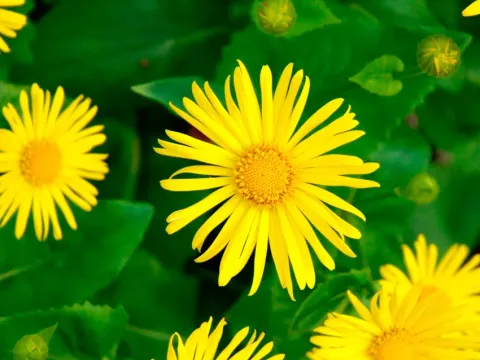
Doronicum
Doronicum L.
Sowing Doronicum seeds outdoors is best performed in mid-to-late spring once the soil has warmed up sufficiently. Alternatively, sowing can be done in October, allowing the seeds to undergo natural winter stratification, which significantly improves germination rates in the following spring.
What the section contains

Doronicum
For greenhouse or indoor propagation, seeds should be sown in trays during March or April using a light, nutrient-rich substrate. The ideal temperature for germination is between 18 and 20 degrees Celsius, with seedlings typically appearing within two to three weeks.
When starting indoors, providing adequate lighting is crucial to prevent the seedlings from becoming spindly. Once two true leaves develop, seedlings should be pricked out into individual pots or peat containers to simplify the final transplanting process.
Transplanting to the permanent garden location should occur after the last frost risk has passed, usually in late May. Space the plants 30 to 40 centimeters apart, allowing for their natural outward growth and spread over subsequent seasons.
Vegetative propagation via division is also highly effective for Doronicum. This is best carried out in early spring or immediately after flowering in the autumn, ensuring that each division has a healthy portion of the root system to facilitate establishment.
Doronicum belongs to the Asteraceae family and is a robust herbaceous perennial that thrives in moderate moisture conditions. While it is often considered a shade-loving plant, it can tolerate direct sun provided it receives consistent and adequate irrigation throughout the growing season.
The ideal soil for Doronicum is fertile, well-structured, and loose to prevent waterlogging. Heavy, clay-rich soils should be amended with organic matter to improve drainage, as stagnant water is the primary cause of root rot in this species.
Incorporating compost or well-rotted manure during site preparation provides a strong nutrient foundation for the plants. Throughout the growing season, a balanced mineral fertilizer applied periodically helps sustain vigorous foliage production and long-lasting floral displays.
Mulching around the base of the plants is a recommended horticultural practice to retain soil moisture and stabilize root zone temperatures. In particularly dry climates or during heatwaves, regular deep watering is necessary to prevent the plant from wilting and losing its decorative appeal.
The plant is highly cold-hardy, although in regions with harsh winters lacking snow cover, young plants may benefit from an extra layer of mulch or protective covering. Its native distribution across temperate Europe and Asia contributes to its high level of adaptability.
Powdery mildew is the most common fungal disease affecting Doronicum, typically appearing as a white, dusty layer on the foliage. Management involves ensuring proper air circulation between plants and applying systemic fungicides if the infection becomes widespread.
Root rot remains a serious threat, especially in sites with poor drainage or during exceptionally wet periods. Preventive measures include maintaining strict irrigation discipline and ensuring the soil structure is porous enough to allow excess water to escape rapidly.
Pests such as aphids may infest young stems and buds, feeding on the plant's sap and potentially causing stunted growth. If observed, affected areas should be treated with appropriate horticultural oils, insecticidal soaps, or systemic biological agents.
Slugs and snails can cause significant mechanical damage to the leaves, particularly during damp weather. Protective barriers such as crushed shells or specialized slug baits can be deployed around the perimeter of the planting area to minimize damage.
Overall plant health is maintained through rigorous sanitation, including the prompt removal of weeds and debris. Ensuring each plant has enough physical space for airflow helps mitigate the development of most common bacterial and fungal pathogens.
Harvesting Doronicum for floral arrangements should be performed when the flower heads are fully expanded. Using a sharp, sterilized knife or secateurs, make clean cuts early in the morning or late in the evening to ensure optimal stem hydration.
To maximize the vase life of cut flowers, place the stems immediately into clean water mixed with a floral preservative or a drop of mild disinfectant. Regularly removing faded blossoms encourages the plant to direct energy toward new growth and potential late-season blooms.
At the end of the growing season, after the plant has finished flowering and the foliage begins to yellow, the entire above-ground portion should be cut back to the soil level. This helps eliminate potential overwintering sites for pests and diseases.
For seed saving, leave the strongest stems and flower heads intact until they have fully matured and begun to dry. The seed heads will darken, indicating they are ready for collection and storage in a cool, dry environment.
Stored seeds should be kept in breathable paper envelopes and held at room temperature until the next planting cycle. With proper storage, Doronicum seeds typically retain high viability for several years, making them a reliable resource for future garden expansion.